
For many buyers, receiving a container is the first time they see the finished product. By that stage, the furniture has already travelled hundreds—or even thousands—of kilometers. If a dining chair has the wrong finish or upholstery doesn’t match the approved sample, the options become limited, expensive, and time-consuming.
This is why experienced manufacturers don’t treat quality control as the final step of production. They build it into every stage of the process. A series of inspections designed to catch problems before they become costly mistakes. Quality control before shipment is the final line of defense to ensure goods meet specifications before they leave the factory.
- Inside Indonesia’s Furniture Manufacturing Industry
- How to Source Furniture from Indonesia: A Complete Guide for Hospitality & Design Buyers
- #5 Reasons Global Buyers Prefer Indonesian Furniture Manufacturers
- Indonesia vs. Vietnam: Which Is Better for Furniture Sourcing?
- When Should You Invest in Custom Furniture?
Quality Begins Long Before Production
A common misconception is that quality control starts once the furniture has been assembled. In reality, it should begin much earlier.
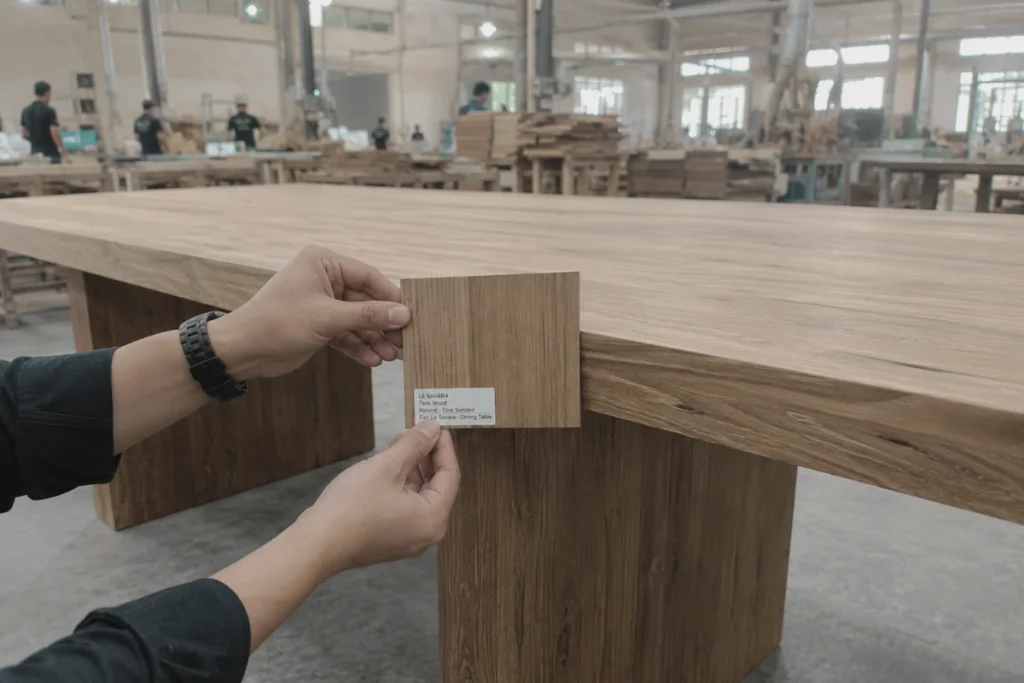
Before a single piece of timber is cut, manufacturers review technical drawings, material specifications, hardware selections, finish samples, and construction methods. Every approved detail becomes a reference point for the production team.
Think of it as building a roadmap rather than relying on memory. When everyone works from the same specifications, the chances of costly misunderstandings are dramatically reduced.
The First Inspection Is Often the Prototype
For custom furniture projects, the first finished product rarely becomes the final product. Instead, manufacturers produce a prototype or sample that allows designers, retailers, or hospitality clients to evaluate the furniture before full production begins.
This stage answers important questions. Are the proportions consistent with the design intent?
Making adjustments during the prototype stage is relatively straightforward. Making those same changes after hundreds of units have been manufactured is considerably more expensive. For that reason, prototypes are often viewed as one of the most valuable investments in the production process.
Monitoring Production Instead of Waiting for Completion
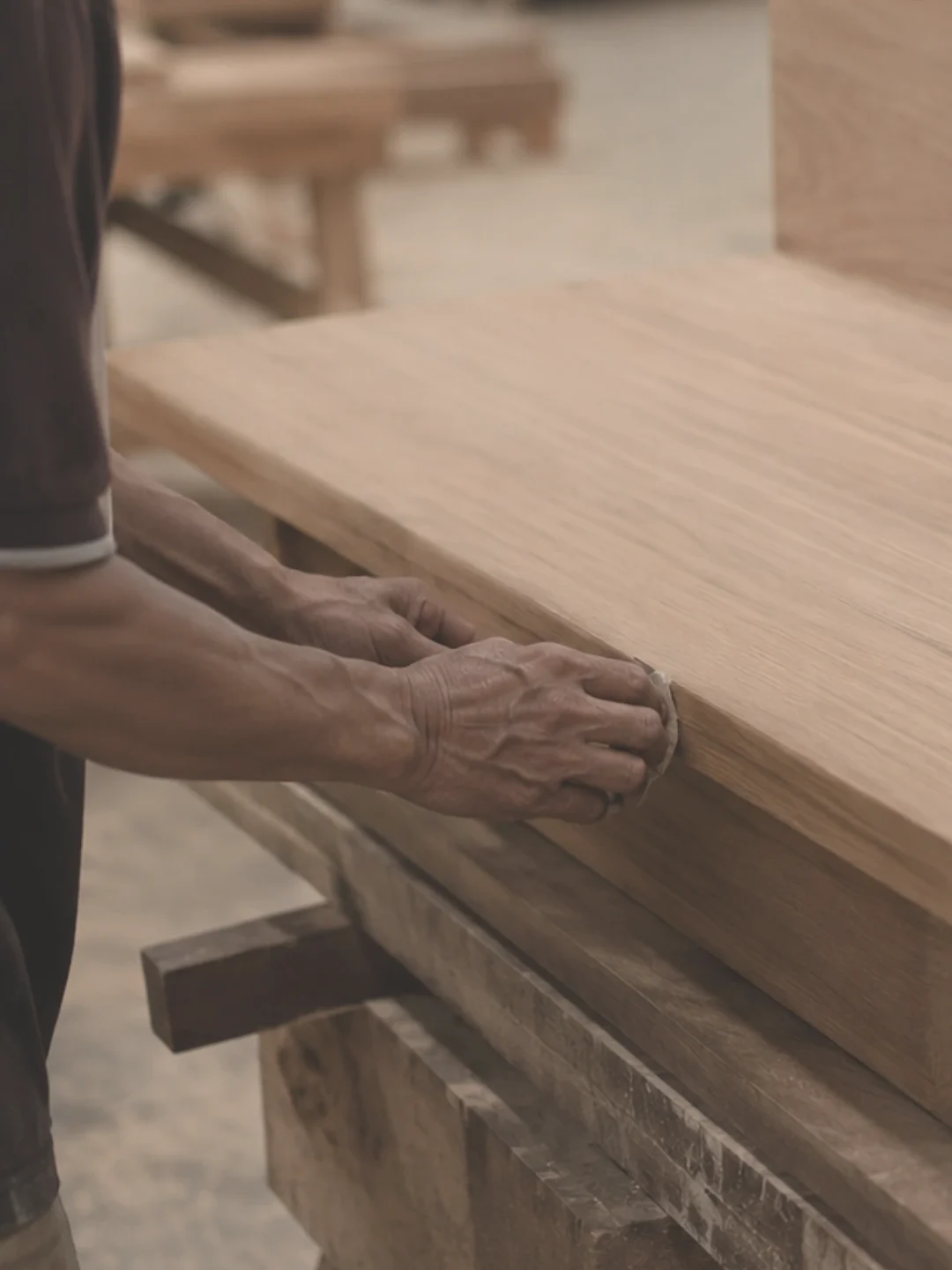
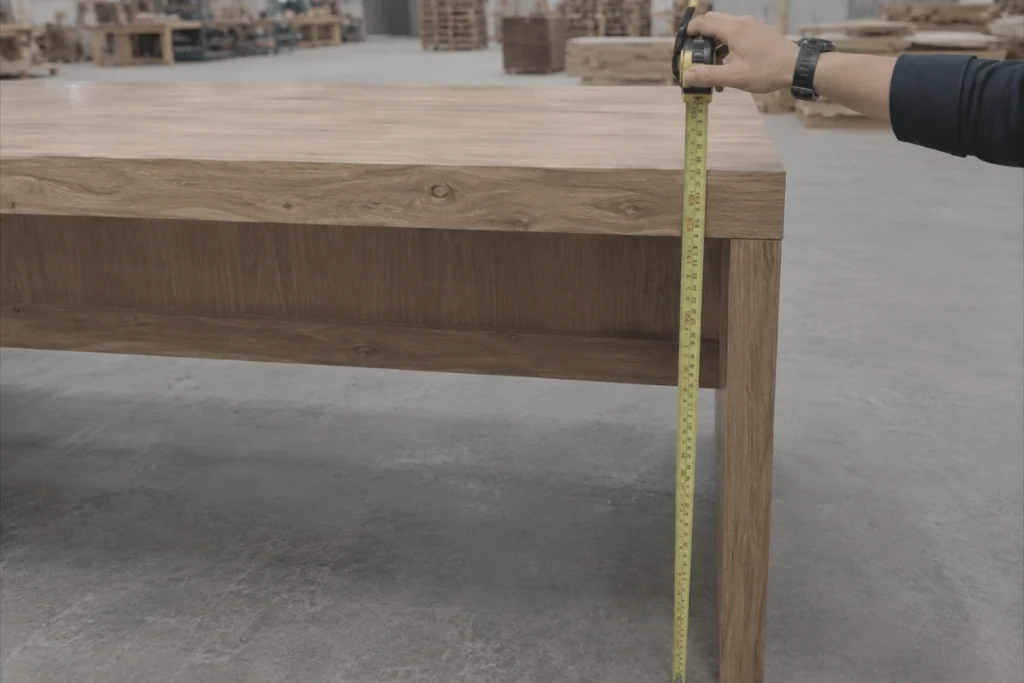
One of the biggest differences between experienced manufacturers and inexperienced ones is when they inspect the product. Waiting until every item is complete means problems may already exist across an entire production batch. Leading manufacturers inspect furniture while it is still being made. Joinery is checked before assembly. Dimensions are verified before finishing. Upholstery is reviewed before final installation. Surface preparation is inspected before color is applied.
This continuous approach allows production teams to correct issues immediately rather than repeating the same mistake dozens—or even hundreds—of times. Quality becomes part of the workflow rather than a final checkpoint.
Looking Beyond Appearance
A beautifully finished chair isn’t necessarily a well-made chair. Some of the most important inspections focus on details customers may never notice directly but will experience over years of daily use.
Inspectors look closely at structural stability, drawer movement, door alignment, welding quality, hardware installation, upholstery tension, moisture content in timber, and the consistency of protective finishes. These details rarely appear in product photographs, yet they often determine how well furniture performs once it reaches a hotel, restaurant, retail showroom, or private residence.
It’s a reminder that quality isn’t defined by appearance alone.
Packaging Is Part of Quality Control
One stage that’s often overlooked is what happens after the furniture passes inspection. A beautifully manufactured product can still arrive damaged if it’s packed incorrectly.
Export furniture may travel by truck, warehouse, port, container vessel, and local delivery before reaching its destination. During that journey it experiences vibration, stacking pressure, humidity, and repeated handling.
Protective foam, reinforced cartons, corner protection, moisture barriers, and secure palletisation all play an important role in ensuring the furniture arrives in the same condition it left the factory.
Good packaging isn’t simply logistics. It’s the final stage of quality assurance.
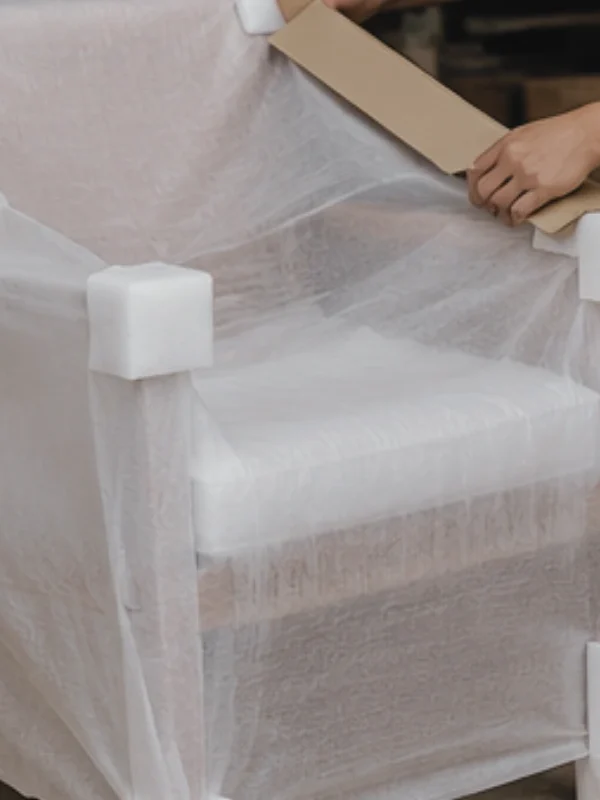
According to international inspection providers, pre-shipment inspections have become standard practice for many importers because identifying defects before export is significantly less expensive than resolving claims after delivery.
You may like this too: Inside Indonesia’s Furniture Manufacturing
Despite all the above, why inspectors Don’t Check Every Single Product?
Instead of inspecting every product, inspectors use random sampling methods based on Acceptable Quality Limits (AQL). Samples are selected randomly from different production batches, providing a statistically reliable picture of the overall shipment without delaying delivery.
This approach has become the global standard because it balances efficiency with confidence.
If problems appear within the sampled products, they often indicate broader production issues that require further investigation before shipment is approved.
Quality is ultimately about trust. Furniture manufacturing is often measured by craftsmanship but long-term partnerships are built on consistency. That consistency doesn’t happen by accident.
It comes from systems, experience, communication, and a commitment to quality long before the shipment is ready to leave the factory. The container may be the final chapter of production, but it should never be the first time quality is questioned because once a shipment begins its journey, the opportunity to prevent problems has already passed.
The best manufacturers understand that quality control isn’t about finding mistakes. It’s about ensuring their clients never have to.
Related posts
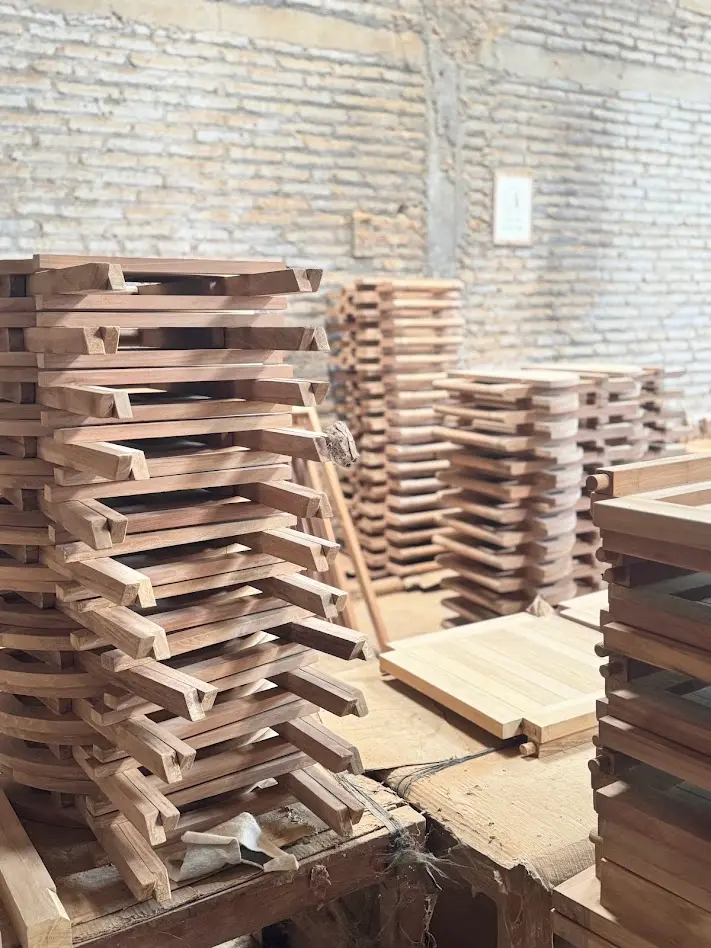
How to Source Furniture from Indonesia: A Complete Guide for Hospitality & Design Buyers
Indonesia is one of the world’s leading sources of natural-material furniture — teak, rattan, …
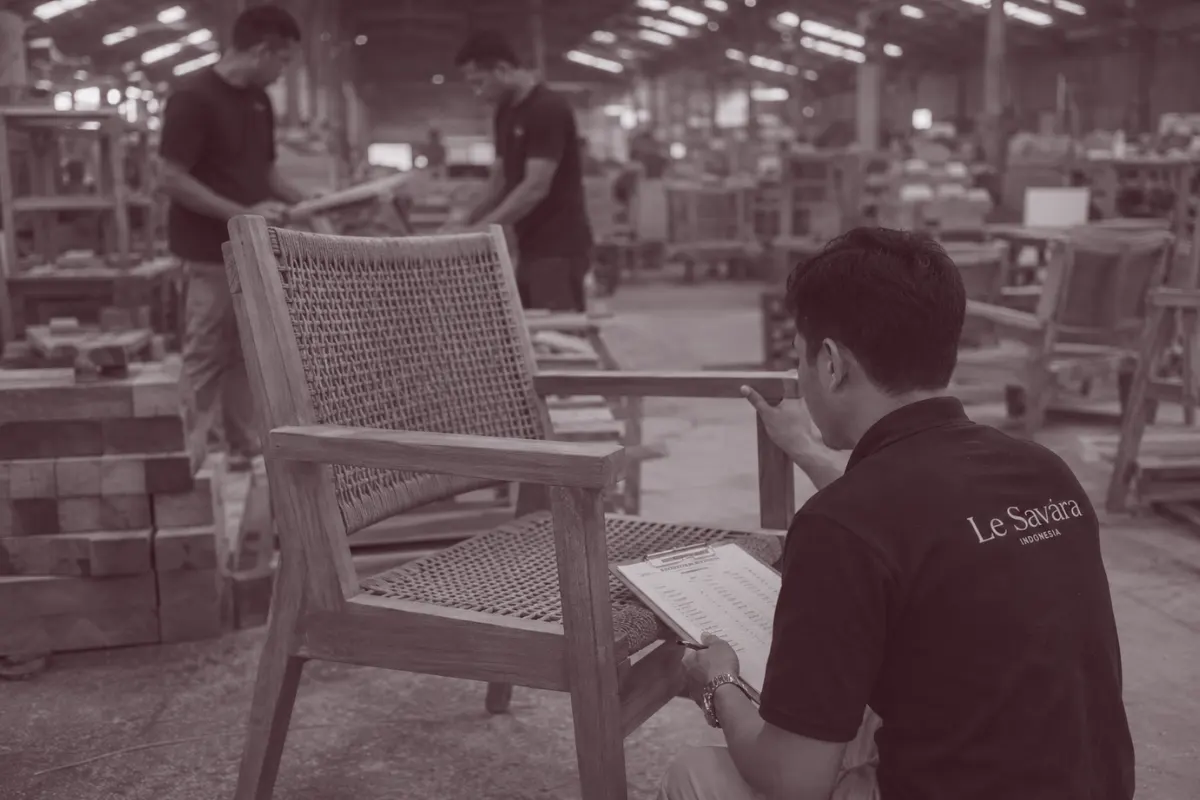
#5 Reasons Global Buyers Prefer Indonesian Furniture Manufacturers
From boutique hotels in the Mediterranean to luxury residences in the Middle East, Indonesian furnit …

Mitchel Cremin DDS
Delectus non qui expedita consequatur inventore vitae enim rerum. Corporis et nisi accusamus blanditiis dolores est voluptas. Beatae quia qui quaerat.
Rerum dolores ut maiores quisquam ut excepturi facilis. Unde assumenda voluptas omnis quo at quasi dolore. Ut voluptatem velit tempora at velit occaecati laudantium. Distinctio itaque odit repellendus voluptatem dolore est placeat illum.
Ea ipsa ipsum sed velit dolorem sed minima. Amet aut consequatur qui animi nihil nesciunt earum. Sunt voluptas id blanditiis. Quod eaque nulla odio error qui omnis ut.
Brionna Cormier
Laboriosam voluptatibus aut qui mollitia atque consequuntur. Dolorem in dolor ea rerum veritatis voluptatem nesciunt. Quis nulla minus adipisci aliquid incidunt qui et.
Emmett Moore DVM
Accusamus totam consequatur et ea magni dolores autem. Consequuntur ea at dolores ut. Non ipsa consequuntur voluptas ex id aut nam dolorem. Nostrum sed consequatur sit facere nulla omnis reiciendis. Quia et hic ut illo ex pariatur nisi.
Consequatur facere omnis laboriosam est aperiam eos. Quia voluptas autem quas voluptates ducimus in. Incidunt mollitia vitae fuga eos. Autem quia quam architecto minima et ipsum quidem.
Optio occaecati at excepturi eos dolores. Repudiandae eum sed libero necessitatibus. Dolor pariatur dolor dolorem et occaecati non. Unde odit voluptas tempora neque.
Ut et quod dolorem minus et perspiciatis. Et error et quaerat ut earum eius. Labore et quia ipsam. Qui impedit et hic.