There is a moment in every growing furniture business when the catalogue that once felt like an advantage begins to feel like a limitation.
It rarely happens overnight.
At first, the requests are subtle. A retailer asks whether a dining table can be made in a darker finish. An interior designer needs a sofa ten centimeters shorter to fit a boutique hotel suite. A hospitality client wants an outdoor collection that reflects its brand rather than something guests have already seen elsewhere.
Individually, these requests seem minor. Collectively, they signal something much bigger. Your business is no longer simply buying furniture—it is beginning to shape experiences.
This is often the point where custom furniture shifts from being an optional upgrade to becoming a strategic investment.
The timing couldn’t be more relevant. Analysts expect the global custom furniture market will reach between USD 66 billion and USD 115 billion over the next decade, by driven by rising demand for personalized products, premium interiors, and private-label collections.
As competition intensifies across retail and commercial sectors, businesses are increasingly recognizing that distinctive products create stronger brands than familiar catalogues ever could. There comes a point in every growing business when standard furniture stops being enough.
When Products Become Part of Your Brand Story
Walk into a thoughtfully curated furniture showroom and you’ll notice that the pieces drawing the most attention are rarely the ones customers have seen countless times before.
They’re the designs that spark conversation.
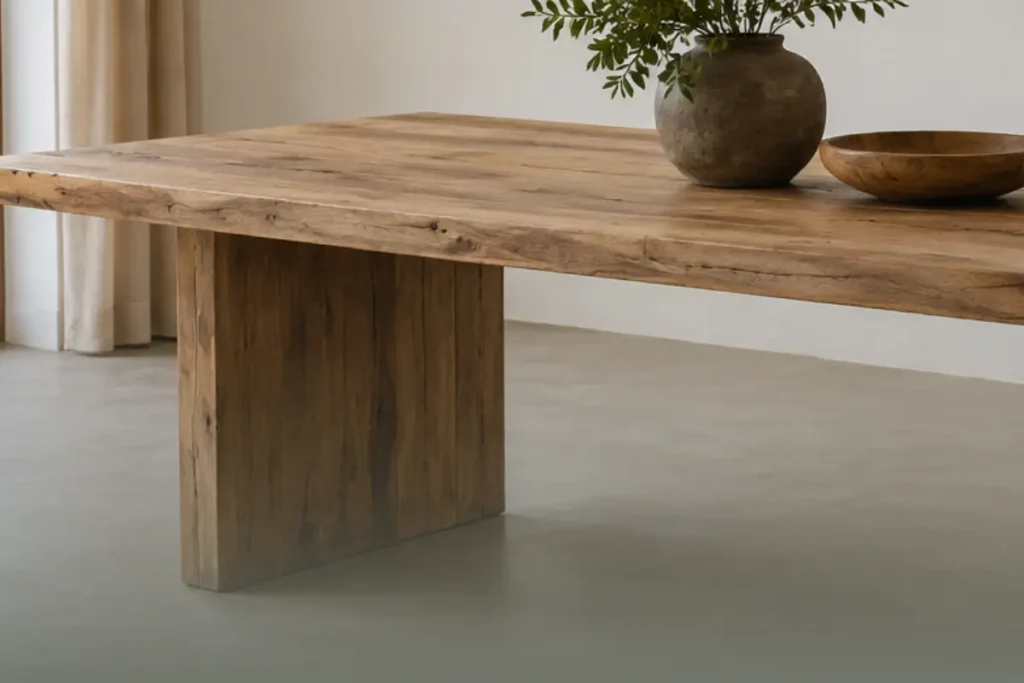
The armchair with an unexpected silhouette. The dining table finished in a timber tone exclusive to that collection. The outdoor range that reflects the lifestyle a brand wants to represent.
These products do more than fill a showroom floor—they communicate identity.
For retailers, this distinction has become increasingly valuable. As identical collections appear across multiple stores and online marketplaces, competing solely on price becomes an increasingly difficult proposition. Exclusive collections, whether developed through custom manufacturing or private-label partnerships, allow businesses to compete on originality rather than discounts.
Customers may arrive looking for furniture, but what often earns their loyalty is discovering something they can’t find anywhere else.
Designing Around People, Not Catalogues
The furniture industry has evolved alongside the spaces it serves.
Hotels are creating experiences rather than simply offering accommodation. Restaurants are designing environments that encourage guests to stay longer. Commercial developers are looking for interiors that reflect the character of a building rather than repeating familiar layouts.
An interior designer may need custom banquette seating to maximise capacity without compromising comfort. A resort might require outdoor furniture engineered for a tropical climate, while maintaining a distinctive aesthetic.
- From Scratch to Smooth Delivery, This is How We Ease Your Business Journey as a Furniture Procurement Partner
- Business Owners’ Strategic Decision: The Importance of a Local and Transparent Furniture Procurement Partner
- How to Source Furniture from Indonesia: A Complete Guide for Hospitality & Design Buyers
- #5 Reasons Global Buyers Prefer Indonesian Furniture Manufacturers
- When Should You Invest in Custom Furniture?
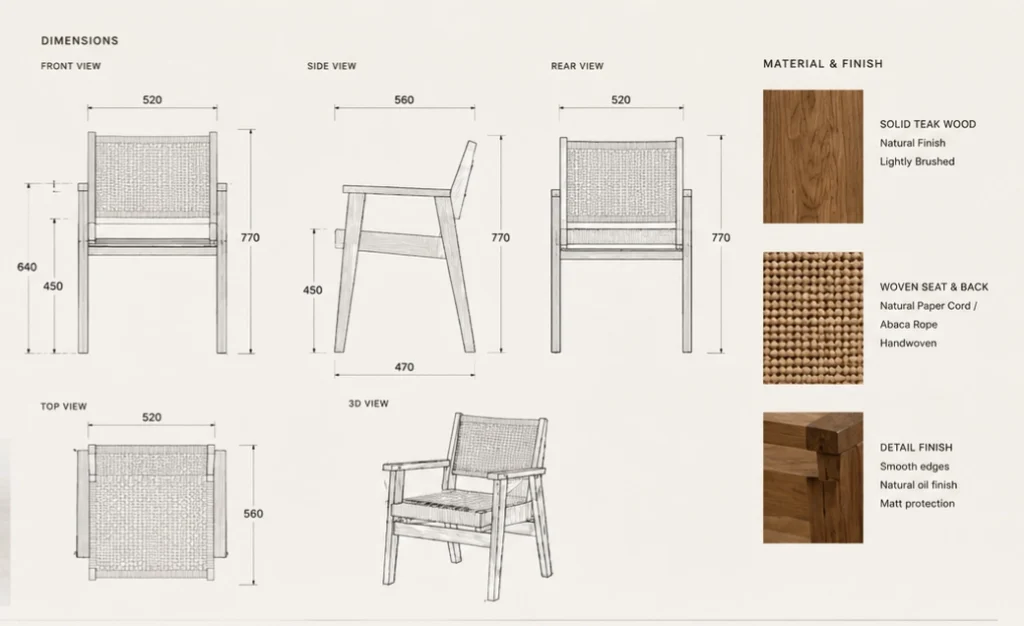
Custom manufacturing creates the flexibility to respond to these requirements without sacrificing design intent. Dimensions, materials, finishes, upholstery, and construction details can all be refined to support the project instead of forcing the project to adapt to the product.
Looking Beyond the Purchase Price
Furniture procurement has traditionally been driven by one question: How much does it cost? Increasingly, experienced buyers are asking a different one.
How long will it perform?
This shift is particularly evident in hospitality and commercial environments, where furniture endures years of daily use. The strength of the joinery, the quality of upholstery, the density of the foam, and the choice of timber all influence not only durability but also maintenance costs and guest satisfaction.
A hotel replacing guest room furniture after only a few years often spends considerably more than one that invested in higher-quality pieces from the beginning.
Viewed this way, custom furniture isn’t necessarily the more expensive option. It is often the one with the lower lifetime cost.
From Retailer to Brand Owner
Some of today’s most recognisable furniture brands began with a simple ambition: to offer something different.
Modern custom manufacturing has made that approach more accessible than ever. Through white-label and private-label partnerships, retailers and wholesalers can develop exclusive collections while relying on experienced manufacturers to manage production.
This allows businesses to focus on what they do best—understanding customers, building brands, and creating market demand—while manufacturing partners translate those ideas into finished products.
For many growing businesses, this marks an important transition. They stop selling products selected from someone else’s catalogue and begin introducing collections that reflect their own vision.
The Value of Long-Term Manufacturing Partnerships
As manufacturers become familiar with a client’s quality expectations, preferred materials, packaging standards, and production processes, collaboration naturally becomes more efficient. Product development accelerates, communication improves, and consistency becomes easier to maintain across future collections.
For businesses planning long-term growth, this kind of partnership is often as valuable as the furniture itself.
It transforms manufacturing from a transactional process into a strategic capability.
A Market Moving Towards Individuality
The growing interest in custom furniture reflects a broader shift across the industry. Consumers are placing greater value on originality.
Industry research suggests that while the global furniture market continues to expand, demand for customised and private-label products is growing at an even faster pace, particularly in premium residential, hospitality, and commercial sectors.
Furniture is no longer viewed solely as a functional purchase. It has become part of how businesses communicate their identity.
Is It the Right Time?
Custom furniture isn’t the right solution for every business.
Companies focused on rapid inventory turnover or high-volume commodity products may continue to benefit from standard collections. But businesses often reach a stage where the conversation changes.
They begin looking for ways to strengthen their brand, launch exclusive collections, serve more specialised projects, or create products that customers associate only with them.
That’s usually the point where custom manufacturing delivers its greatest value—not because it is fashionable, but because it supports a broader business strategy.
In a market where products can be copied remarkably quickly, originality has become one of the few competitive advantages that cannot. The businesses shaping the future of the furniture industry understand this well. They aren’t simply investing in new products.

Related posts
How to Source Furniture from Indonesia: A Complete Guide for Hospitality & Design Buyers
Indonesia is one of the world’s leading sources of natural-material furniture — teak, rattan, …
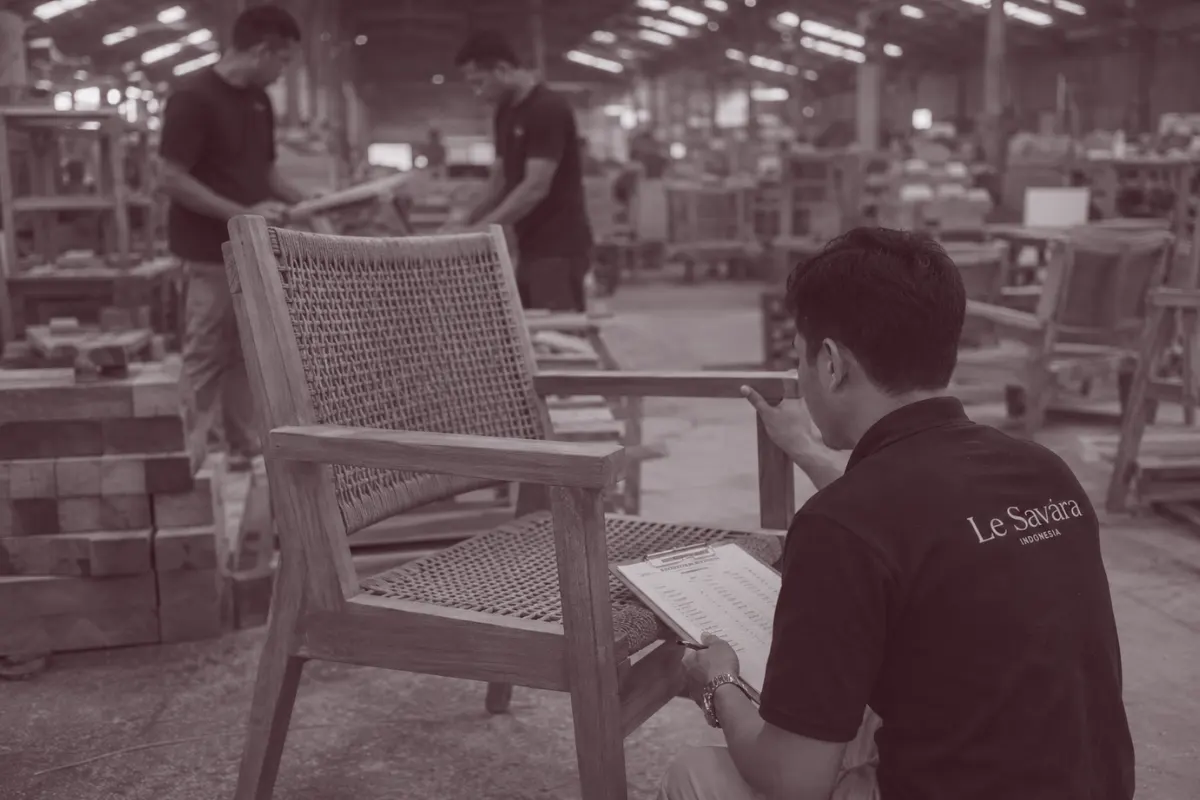
#5 Reasons Global Buyers Prefer Indonesian Furniture Manufacturers
From boutique hotels in the Mediterranean to luxury residences in the Middle East, Indonesian furnit …
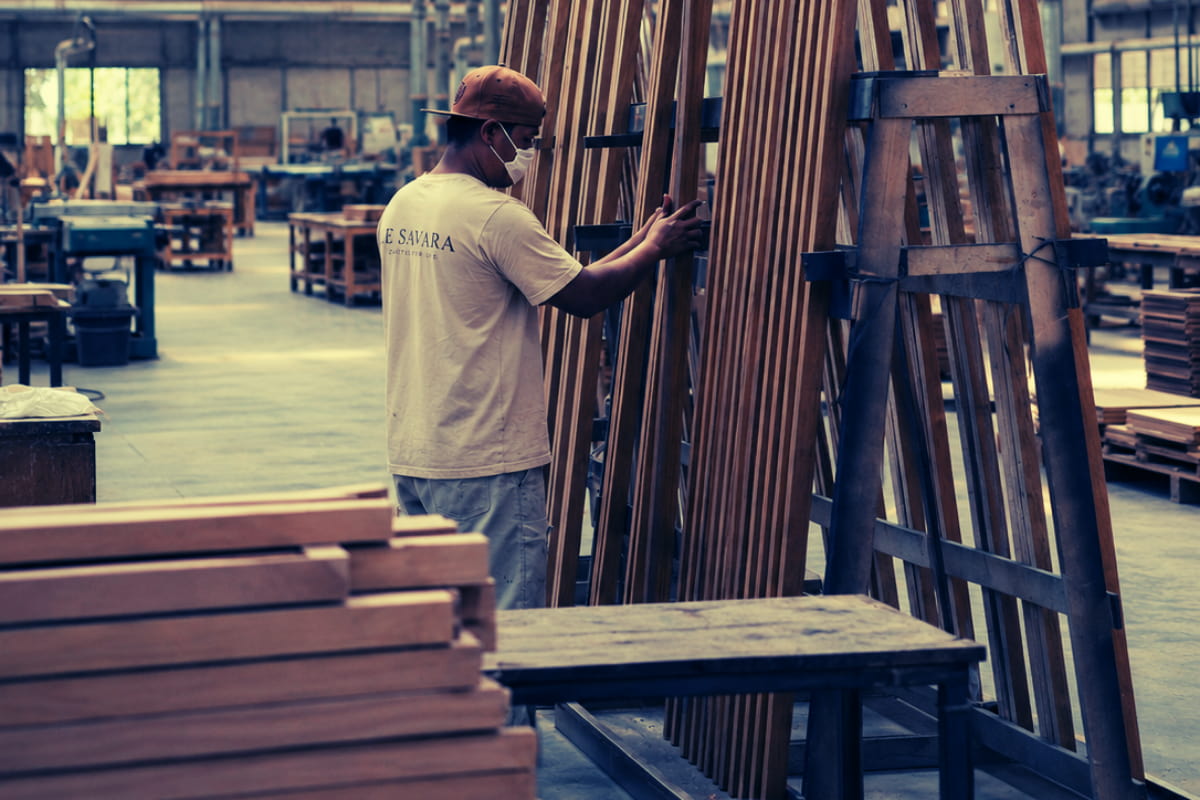

Edgar Rogahn
Nihil iusto ut aut qui nesciunt. Repellat incidunt quam possimus a vitae quisquam fuga. Quisquam libero aut unde assumenda in ea fuga. Omnis quia cum velit neque unde.
Dicta perspiciatis ratione voluptatem cupiditate et perspiciatis nihil. Ut quas nisi doloribus rem. Aperiam exercitationem corporis unde ducimus natus harum. Est facere consequuntur alias assumenda voluptatem molestiae.
Dr. Esteban Rosenbaum I
Minima itaque blanditiis id incidunt eligendi similique consequatur. Quod harum dolores odio eum. Eos cupiditate placeat et omnis ipsam tempora. Inventore deserunt error aliquam omnis.
Vivian Schiller MD
Omnis dolorum placeat ab cumque enim. Occaecati quos est quo voluptas accusamus tempora. Vero consequatur facilis quis similique sint optio et.
Et quae ipsam tempora dicta. Aut et sed quibusdam fuga atque et dolorem. Ipsum repellendus est in eos eveniet veritatis.
Esse magni qui earum vitae. Nobis maiores autem natus corrupti. Consequatur nemo quaerat molestiae voluptatem autem et cum fuga.