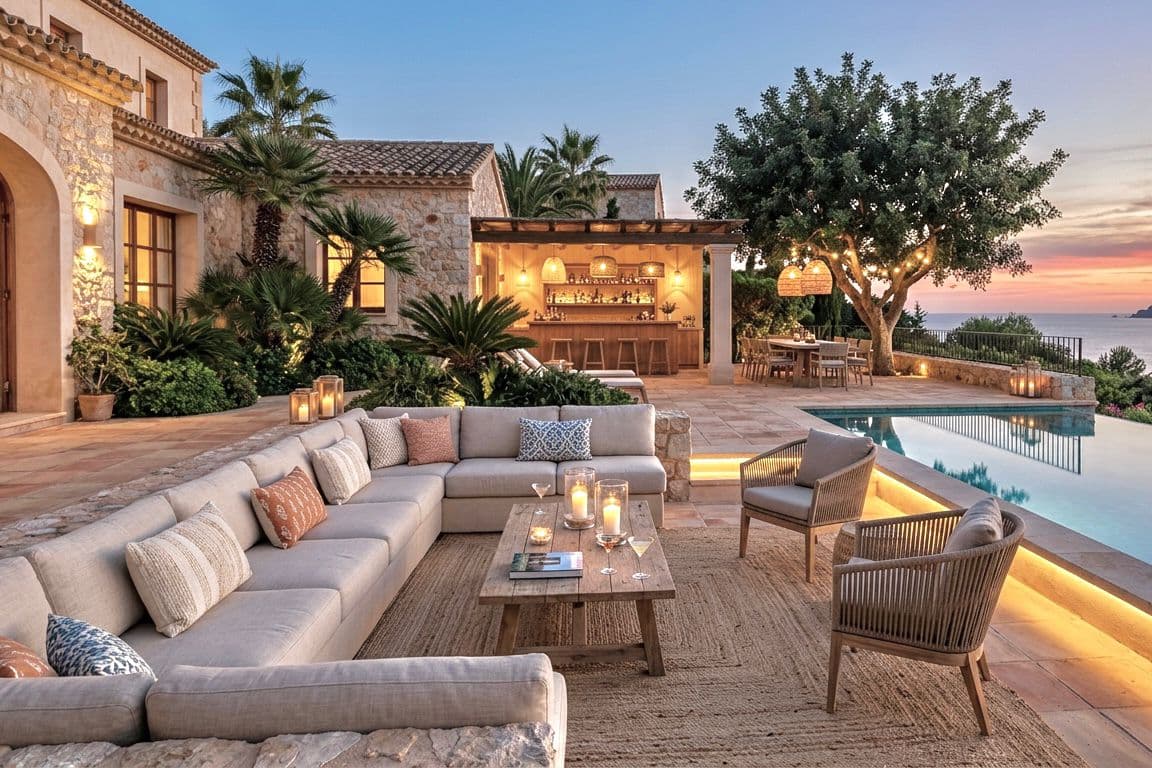
If you’re sourcing furniture internationally, you’ve likely narrowed your shortlist to two standouts: Indonesia and Vietnam.
Both have built strong reputations as global manufacturing hubs, exporting billions in furniture annually. Both are trusted by hotels, retailers, interior designers, and developers worldwide.
So which should you choose? The honest answer: it depends on your goals.
Rather than asking which country is “better,” experienced buyers ask a smarter question:
Which country is better for my project?
Let’s look beyond price and compare the factors that truly matter.
You May Like This Too: 5 Reasons Global Buyers Prefer Indonesian Manufaturers
1. Craftsmanship: Tradition vs. Industrial Scale
Indonesia’s reputation is rooted in generations of craftsmanship.
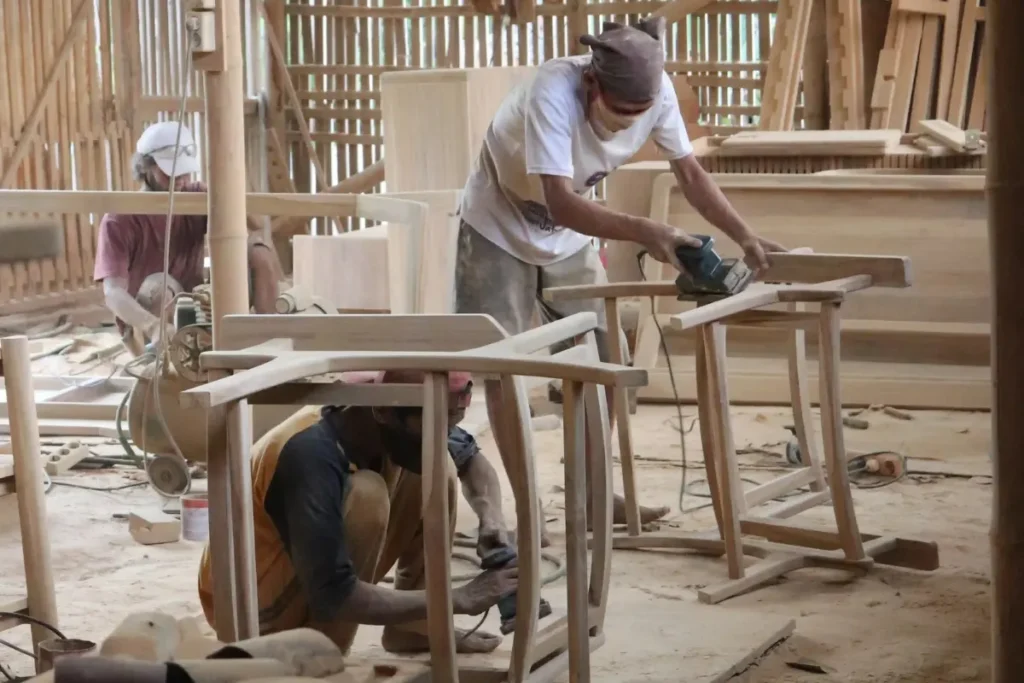
Regions like Jepara, Yogyakarta, and Bali are home to artisans whose skills have been passed down for decades. Hand-finished details, carving, woven materials, and solid timber construction are hallmarks of Indonesian furniture.
Vietnam, by contrast, excels in efficient, large-scale manufacturing. Many factories operate at industrial volume, delivering consistent, export-ready furniture for major global brands.
- If you value handcrafted character and premium finishes, Indonesia often has the edge.
- If consistency at very high volumes is the priority, Vietnam is exceptionally competitive.
2. Materials: Natural Richness Matters
Great products start with great materials.
Indonesia is renowned for teak, rattan, mahogany, suar wood, and natural stone. Teak, in particular, makes Indonesia a top choice for luxury hospitality and outdoor furniture thanks to its durability and natural moisture resistance.
Vietnam also produces furniture in solid wood, engineered wood, veneer, metal, and upholstery, though a significant share of raw timber is imported.
For buyers seeking authentic solid wood and natural materials, Indonesia offers a distinct advantage through deep expertise with tropical hardwoods and woven fibers.
3. Customization: Can the Factory Bring Your Vision to Life?
Every project is different. A boutique resort may need bespoke pieces in every room, while a retailer might require an exclusive private-label collection.
Indonesian manufacturers are widely recognized for flexibility in custom production. Many are comfortable adjusting dimensions, finishes, joinery, materials, and upholstery to meet specific requirements.
Vietnamese manufacturers also offer custom services—especially for large commercial orders—but processes are often optimized for efficiency and repeatability.
When creativity and design flexibility are essential, Indonesia is often the preferred choice.
4. Production Capacity and Lead Times
Vietnam has invested heavily in modern manufacturing technology over the past two decades. This investment enables high production capacity with streamlined workflows, making Vietnam particularly attractive for large-volume retail programs.
Indonesia has modernized too, but many factories balance automation with skilled handwork—an approach that shapes output and timelines.
- Large-scale, standardized orders may move faster in Vietnam.
- Highly customized furniture often benefits from Indonesia’s collaborative, craft-led approach.
Neither model is “better”—they serve different needs.
- Inside Indonesia’s Furniture Manufacturing Industry
- How to Source Furniture from Indonesia: A Complete Guide for Hospitality & Design Buyers
- #5 Reasons Global Buyers Prefer Indonesian Furniture Manufacturers
- Indonesia vs. Vietnam: Which Is Better for Furniture Sourcing?
- When Should You Invest in Custom Furniture?
5. Cost: The Cheapest Isn’t Always the Best Value
A common misconception is that the lowest quote wins. Experienced buyers look at total cost of ownership, including:
- Product lifespan
- Material quality
- Shipping efficiency
- Replacement rates
- Warranty claims
- Project delays
- Guest or customer satisfaction
Vietnam is frequently cost-competitive for high-volume, standardized production.
Indonesia often delivers stronger long-term value when craftsmanship, premium materials, and longevity matter most.
A chair that lasts ten years is ultimately cheaper than one that needs replacing after three.
6. Sustainability and Responsible Manufacturing
Sustainability is increasingly decisive. Both Indonesia and Vietnam have advanced in responsible manufacturing, environmental compliance, and international certifications.
Indonesia’s long-established teak plantations, growing use of reclaimed materials, and broader adoption of certified timber resonate with environmentally conscious buyers.
Meanwhile, many Vietnamese manufacturers have invested in cleaner production technologies and more sustainable supply chains.
Today, supplier transparency often matters more than country of origin alone.
So, Which Country Should You Choose?
There’s no universal answer. Start with your priorities.

Choose Indonesia if you value:
- Premium craftsmanship
- Solid wood expertise
- Teak and natural materials
- Flexible custom manufacturing
- Boutique hospitality projects
- Unique, design-forward collections
- Artisan finishes
Choose Vietnam if you value:
- High-volume production
- Standardized manufacturing
- Efficient, large-scale retail programs
- Competitive pricing for repeat runs
- Fast-moving commercial product lines
Many international buyers actually source from both countries, selecting suppliers based on the specific needs of each project rather than relying on a single manufacturing destination.
Indonesia and Vietnam have both earned their status among the world’s leading furniture manufacturing nations. But sourcing isn’t just about choosing a country—it’s about choosing the right partner.
The best supplier isn’t necessarily the largest factory or the lowest quote. It’s the one that understands your brief, communicates clearly, maintains consistent quality, and delivers on time.
For hotels, restaurants, retail collections, and residential developments, that partnership often matters more than geography.
In the end, successful furniture sourcing isn’t about picking Indonesia or Vietnam—it’s about partnering with the manufacturer who can turn your vision into reality.
Related posts
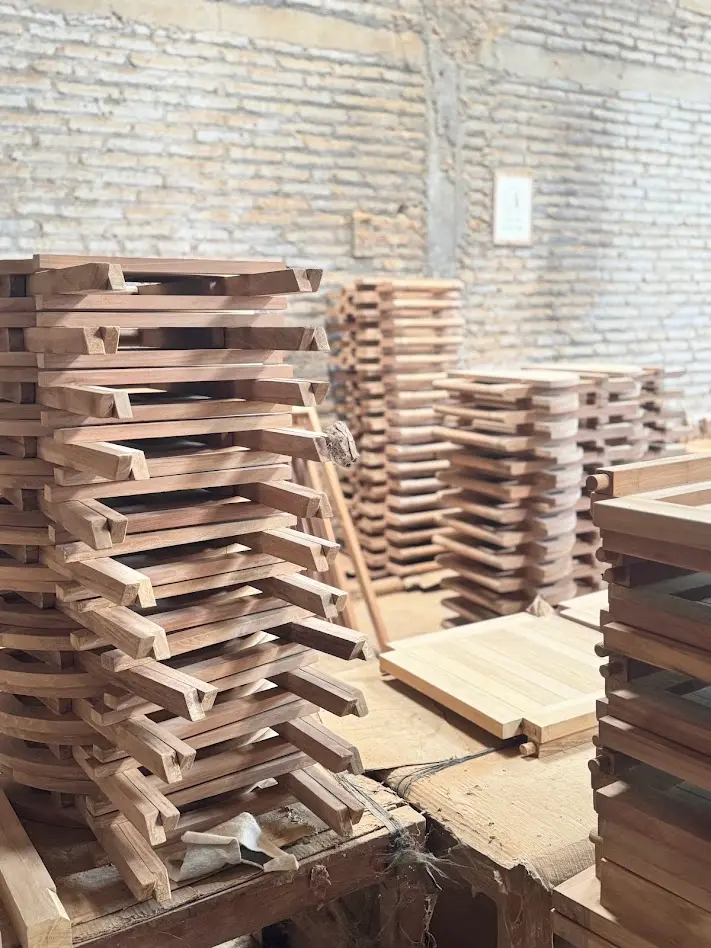
How to Source Furniture from Indonesia: A Complete Guide for Hospitality & Design Buyers
Indonesia is one of the world’s leading sources of natural-material furniture — teak, rattan, …
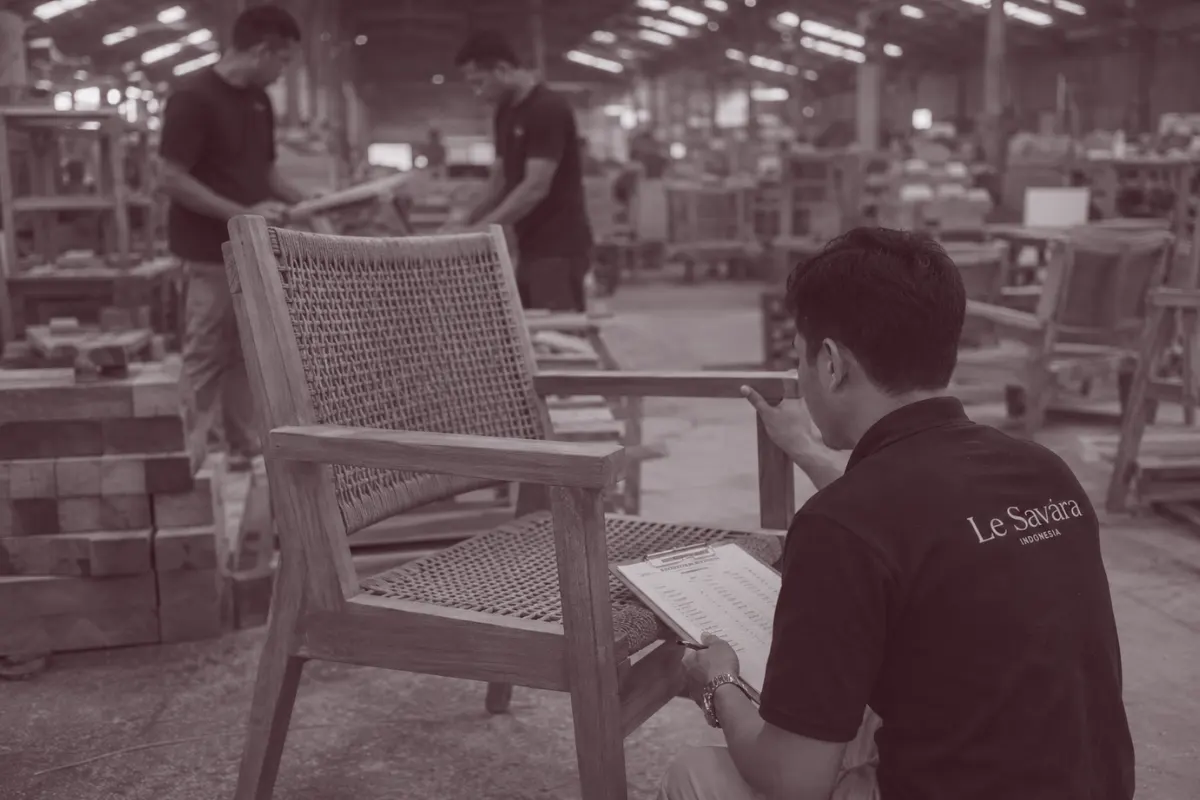
#5 Reasons Global Buyers Prefer Indonesian Furniture Manufacturers
From boutique hotels in the Mediterranean to luxury residences in the Middle East, Indonesian furnit …

Deshaun Mertz
Non modi odio et dolore facilis totam et. Exercitationem quibusdam adipisci aliquam deserunt impedit sit modi. Qui et debitis recusandae enim veritatis enim quaerat. Alias minus ipsum optio esse odio.
Lelia Lemke
Quas exercitationem molestiae blanditiis reiciendis qui harum. Voluptatum minus mollitia deleniti ipsam sed in. Voluptas deleniti rerum dolorum inventore aut rem.
Maiores veritatis ratione exercitationem consequuntur deserunt tenetur. Omnis esse aperiam adipisci possimus ipsum. Voluptatibus autem ut facilis.
Qui voluptatem enim nobis. Voluptatem dignissimos assumenda commodi repellat officia eligendi. Quia dolor et magni sit.
Eum doloremque omnis temporibus aut. Quidem nesciunt harum reprehenderit ipsa et tempore aliquid. Aut explicabo est quasi voluptatem maxime.