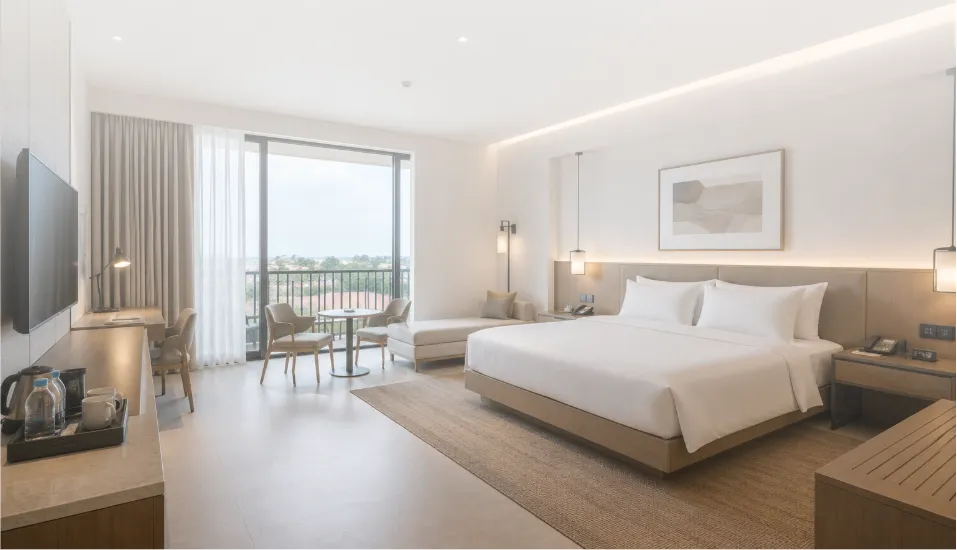
Opening a hotel is exciting. Watching the opening date slip because the furniture hasn’t arrived—or discovering that guest room chairs don’t match the approved design—isn’t.
For hotel developers and operators, Furniture, Fixtures & Equipment (FF&E) is often viewed as the final stage before opening. In reality, it’s one of the most complex phases of the entire project.
From sourcing hundreds of products across multiple suppliers to coordinating manufacturing, shipping, customs clearance, installation, and quality inspections, every decision has a direct impact on the guest experience—and the project’s bottom line.
Read More: 5 Reasons Global Buyers Prefer Indonesian Furniture Manufacturers : 7 Costly Mistakes Hotels Make When Procuring Furniture and FF&EIndustry experts estimate that FF&E represents a significant share of a hotel’s development budget, making procurement one of the most financially critical parts of the project. At the same time, global supply chain disruptions, material shortages, and longer production lead times have made careful planning more important than ever.
Here are seven of the most common—and costly—mistakes hotels make when procuring furniture and FF&E.
1. Treating Procurement as the Final Step
One of the biggest misconceptions is that procurement begins after the design is complete.
In reality, successful hotel projects involve procurement specialists early in the design process. Early supplier engagement helps identify realistic lead times, available materials, engineering considerations, and budget implications before costly revisions become necessary.
Waiting until designs are finalized often limits supplier options and creates unnecessary pressure on project timelines.
The smarter approach: Integrate procurement into project planning from day one.
2. Choosing Suppliers Based on Price Alone
Everyone wants to reduce project costs. But selecting a supplier solely because they submitted the lowest quotation can become an expensive decision.
A lower price may come with compromises in material quality, manufacturing consistency, communication, packaging, or delivery reliability. The true cost of procurement isn’t measured by the purchase order—it’s measured by how well products perform over the years.
Experienced hospitality developers evaluate suppliers based on:
- Proven project experience
- Quality assurance systems
- Production capacity
- Financial stability
- Export experience
- After-sales support
The lowest price rarely delivers the best long-term value.
3. Underestimating Production and Shipping Timelines
Hotels operate on strict opening schedules. Unfortunately, furniture production doesn’t always follow the same calendar.
Custom furniture often requires several stages, including shop drawings, material approvals, prototype development, manufacturing, finishing, quality inspections, packaging, and international shipping. Even a short delay during production can affect installation, staff training, and ultimately the hotel’s opening date.
Today’s global supply chains add another layer of complexity, making realistic scheduling and contingency planning essential.
4. Overlooking Quality Control Until Delivery
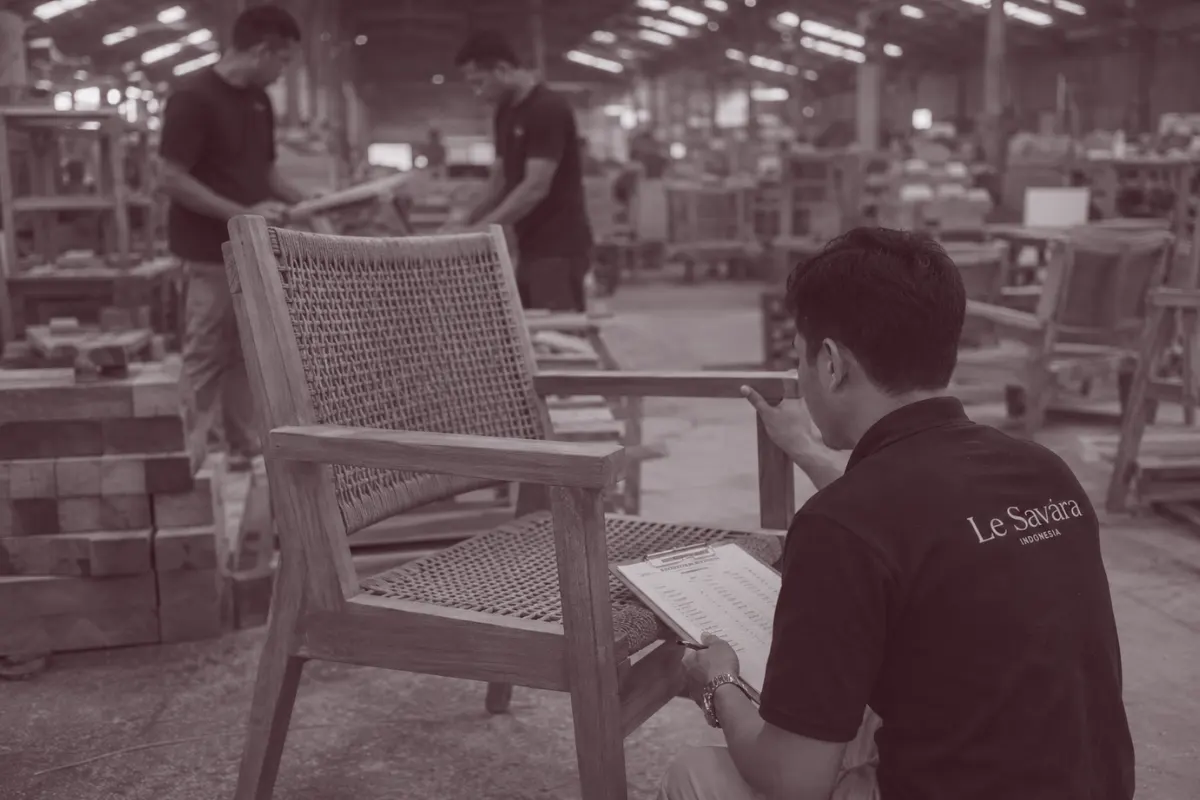
Many buyers assume that quality inspections happen when the shipment arrives. By then, it’s often too late. Discovering damaged finishes, incorrect dimensions, or inconsistent colours after products have crossed international borders can lead to replacement costs, installation delays, and frustrated project teams.
Leading hospitality projects conduct quality inspections throughout production—not only at the end. This includes:
- Material inspections
- Prototype approvals
- In-production quality checks
- Final factory inspections before shipment
Finding problems at the factory is far easier than finding them at the hotel.
- From Scratch to Smooth Delivery, This is How We Ease Your Business Journey as a Furniture Procurement Partner
- Business Owners’ Strategic Decision: The Importance of a Local and Transparent Furniture Procurement Partner
- How to Source Furniture from Indonesia: A Complete Guide for Hospitality & Design Buyers
- #5 Reasons Global Buyers Prefer Indonesian Furniture Manufacturers
- When Should You Invest in Custom Furniture?
5. Ignoring the Guest Experience
Guests rarely notice a procurement strategy. They notice uncomfortable chairs. Poor lighting. A bedside table that’s too small. A wardrobe that doesn’t fit a suitcase. Every furniture decision influences how guests experience a space.
Successful FF&E procurement isn’t simply about filling rooms—it supports the overall design concept while improving comfort, durability, maintenance, and operational efficiency. The best procurement teams always ask one question:
“Will this improve the guest experience?”
If the answer is no, it may not belong in the project.
“The costliest procurement mistake isn’t paying too much for furniture—it’s paying for delays, replacements, and missed opening dates.”
6. Managing Too Many Suppliers
Large hotel developments can involve hundreds—or even thousands—of individual FF&E items. Managing separate suppliers for furniture, lighting, decorative accessories, artwork, soft furnishings, and outdoor products may seem flexible, but it often creates unnecessary complexity.
Multiple suppliers mean multiple production schedules, payment terms, shipping arrangements, and communication channels. Without strong coordination, small delays quickly become major project risks. Many developers now prefer working with experienced procurement partners who can consolidate sourcing, monitor production, and coordinate logistics across the entire FF&E package.
7. Forgetting That Procurement Is Risk Management
The biggest mistake is believing procurement is only about purchasing furniture. In reality, procurement is about managing risk. Supply chain disruptions. Currency fluctuations. Material availability. Compliance requirements. Shipping delays. Specification changes.
Each of these factors can influence project cost and delivery. Research consistently shows that poor planning, weak coordination, and ineffective procurement practices contribute significantly to delays and cost overruns in construction and development projects.
Hotels that treat procurement as a strategic function—not an administrative task—are better positioned to control budgets, reduce uncertainty, and deliver projects on time.
Beautiful hotel interiors don’t happen by chance. Behind every well-designed guest room, lobby, or restaurant is a procurement process that balances design intent, manufacturing expertise, logistics, quality control, and project management. The most successful hospitality projects aren’t those with the biggest budgets—they’re the ones that plan early, choose the right partners, and stay focused on long-term value rather than short-term savings.
In hospitality, the guest remembers the experience. Behind the scenes, that experience is often shaped by decisions made long before the first guest checks in. When procurement is done well, guests never notice it.
And that’s exactly the point.
Related posts
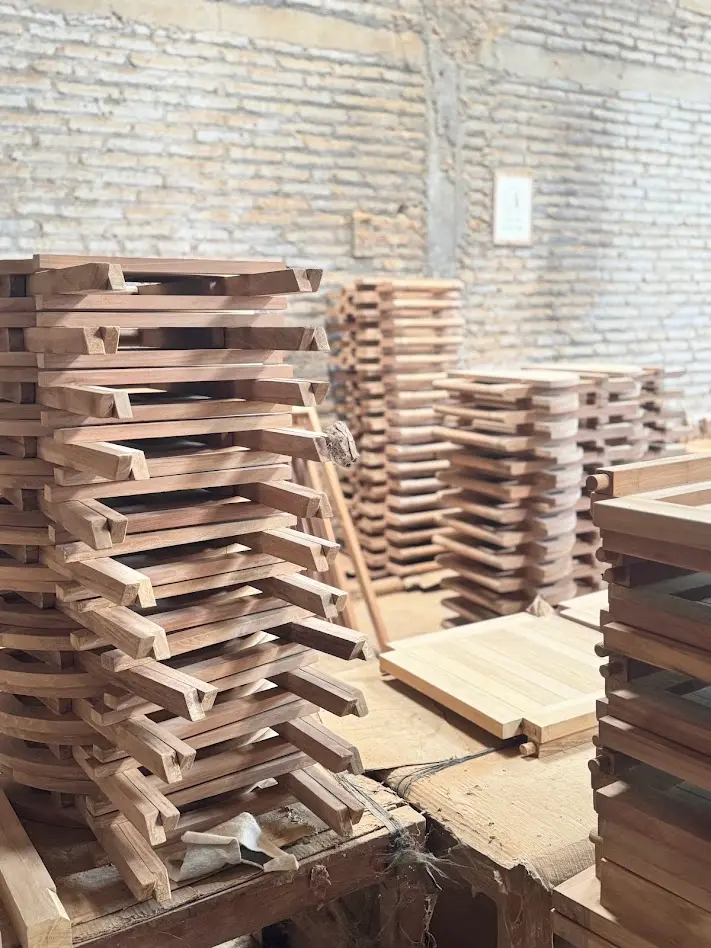
How to Source Furniture from Indonesia: A Complete Guide for Hospitality & Design Buyers
Indonesia is one of the world’s leading sources of natural-material furniture — teak, rattan, …
#5 Reasons Global Buyers Prefer Indonesian Furniture Manufacturers
From boutique hotels in the Mediterranean to luxury residences in the Middle East, Indonesian furnit …

Arvel Murphy
Explicabo veniam necessitatibus ut rerum qui hic delectus. Est eos hic repudiandae maiores exercitationem tempora tempore enim. Amet eos corporis quo enim consequatur. Modi rerum dicta voluptatibus ut et voluptate.
Nulla qui laudantium officia itaque. Assumenda nisi eveniet vitae cum iure doloribus eius. Eum quaerat natus possimus et est non. Et qui tenetur quis culpa. Cum et aliquam ducimus voluptatibus.
Et rerum dolorem saepe animi itaque sit modi. Nihil ex dolores qui molestiae sunt excepturi. Nulla vel asperiores ducimus et eligendi id repellat.