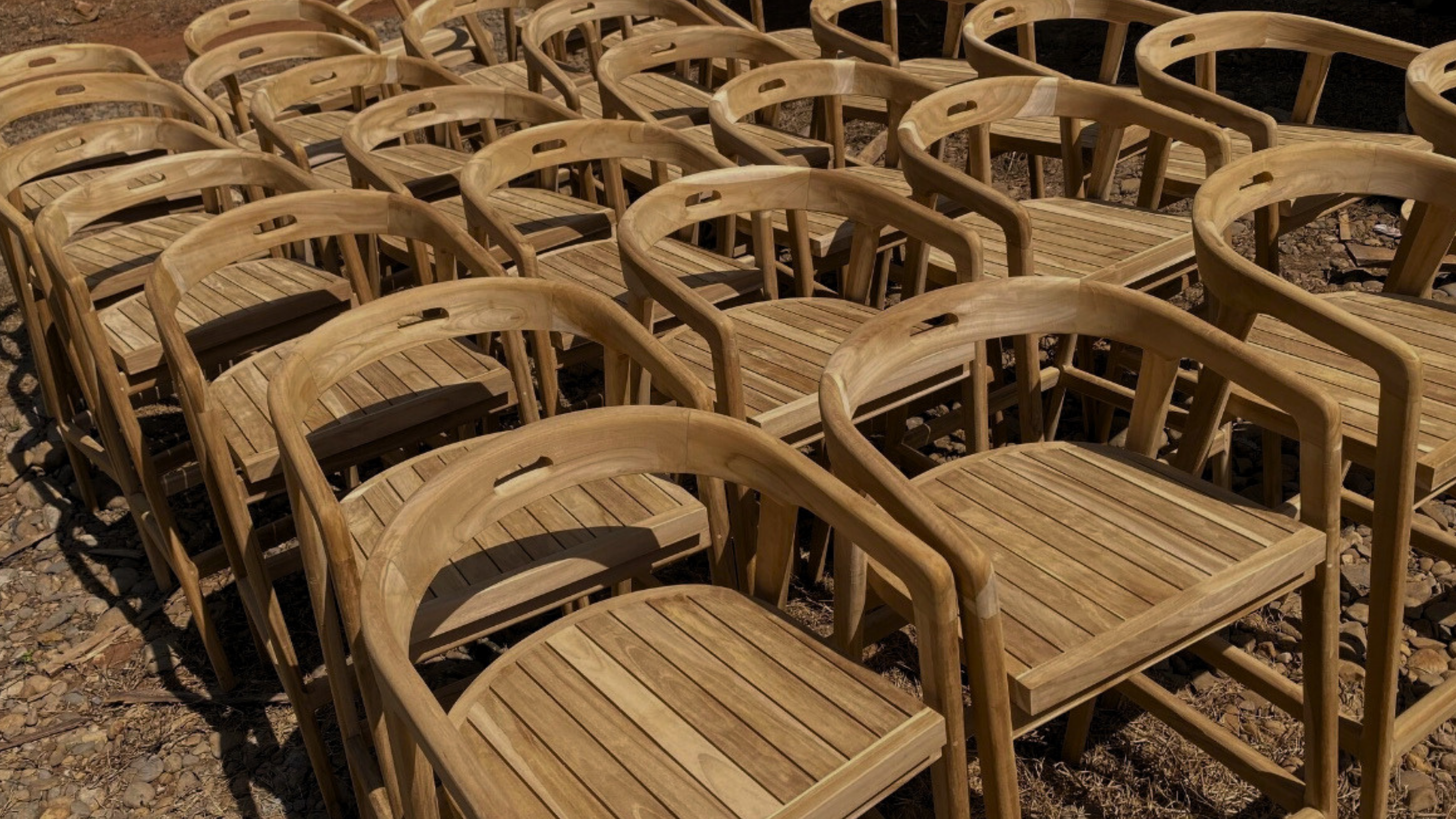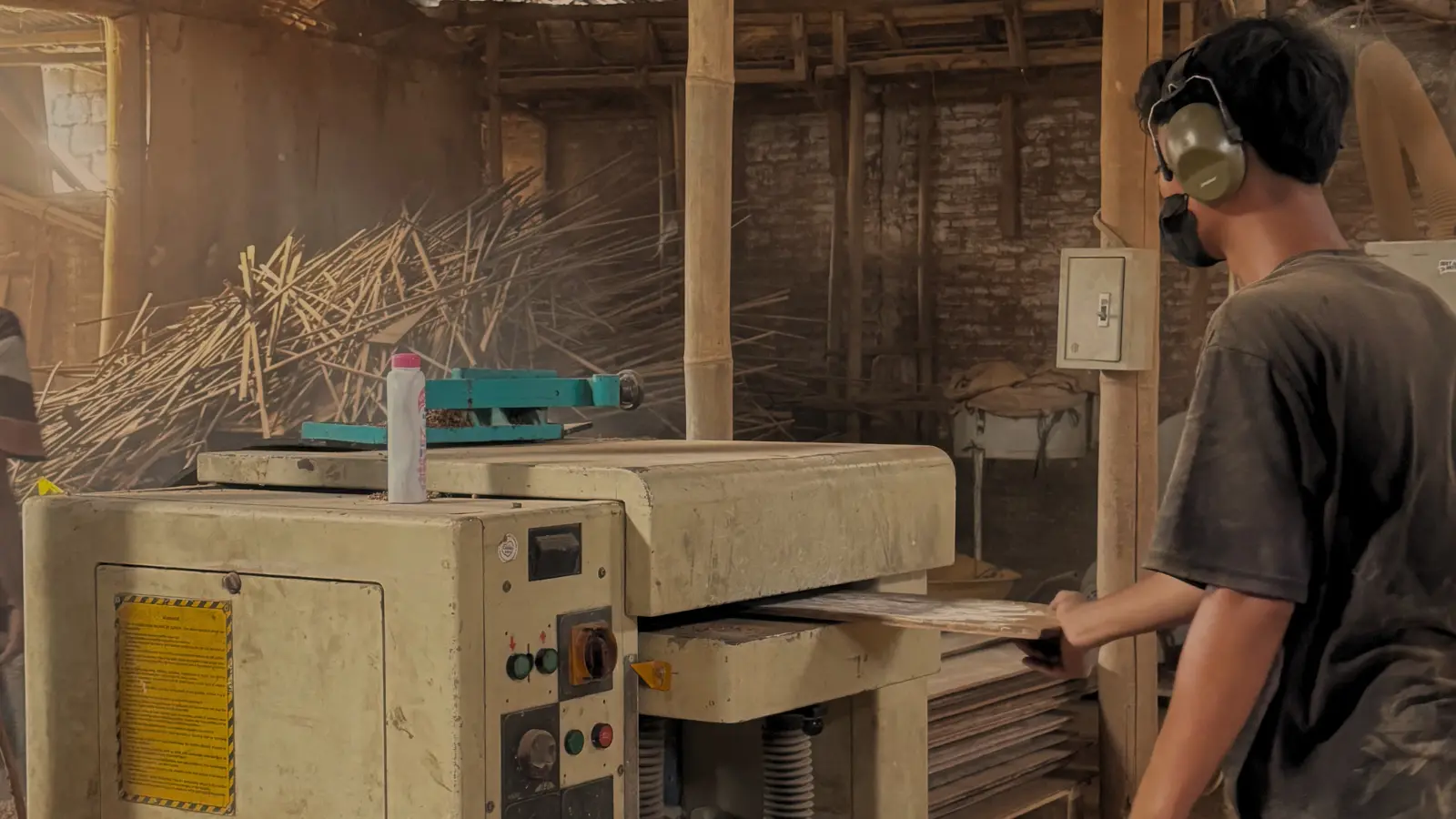
Looking for only a good furniture manufacturer is not enough, the goal is to find one that is great and a good fit. From a smooth process to a satisfying result, all of that can be planned and managed with the right choice of partner.
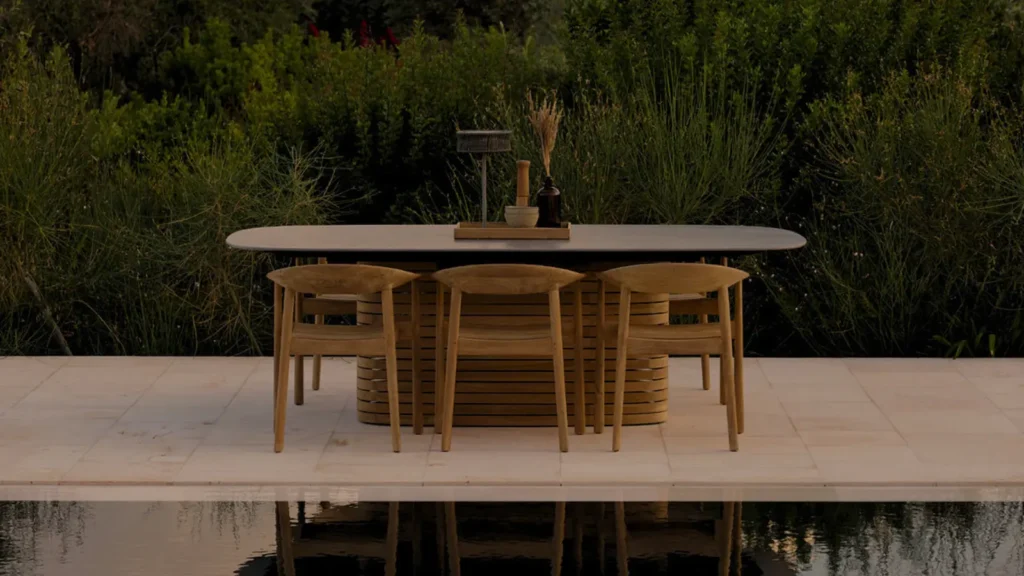
A workshop can have a strong reputation, skilled artisans, and a clean track record, and still be the wrong choice for a particular project. The reason is simple, every manufacturer can excel at particular things but not always everything. When those strengths of expertise line up with what a project needs, the result is smooth production and consistent quality. When they do not, even a capable factory can struggle. For hotel owners, restaurateurs, retailers and brand owners, this distinction matters more than it first appears. It affects cost, quality, and timelines, and it often decides whether a furniture project feels effortless or exhausting.
A “Good” one does not always equal a great fit?
Quality is only one part of the equation. Fit describes how closely a manufacturer’s strengths match the design, material, technique, volume and schedule of a specific project. A useful comparison is a kitchen. A chef trained in baked goods can be exceptional, yet that does not make the same chef the best choice for a seafood menu. Skill is real, but it is specific. The same applies to furniture. Choosing on reputation alone, or on the lowest quotation alone, can overlook the question that matters most, which is: does this workshop regularly make what is being asked for?
Why does it matter in furniture manufacturing?
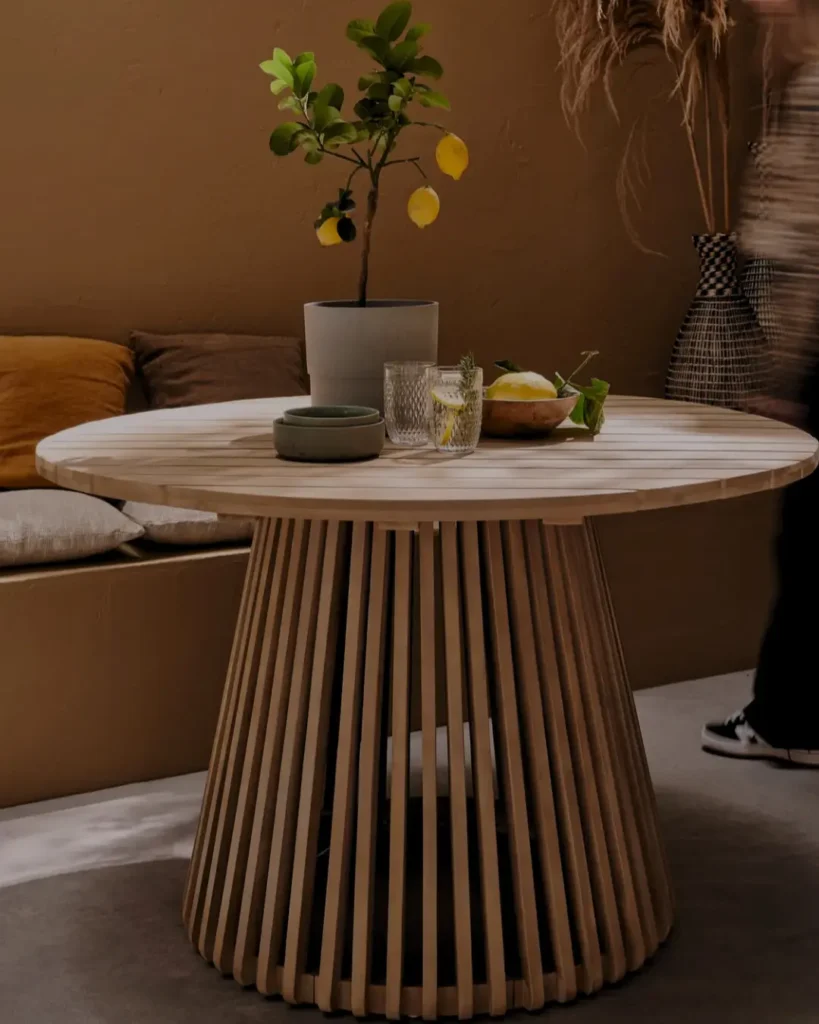
A manufacturer’s specialty is shaped by several factors, and each one influences how well a workshop can deliver a particular piece. Some workshops focus on solid wood such as teak or mahogany. Others concentrate on rattan, metal, stone, concrete, or mixed-material pieces. Each material demands different tools, handling, and expertise. Solid wood joinery, hand carving, rattan bending and weaving, upholstery, metalwork, and other finishing are separate crafts. Small artisan workshops often shine in custom and limited runs. Larger facilities tend to be better suited to large quantities, multi-room hospitality packages, and big volume. And for both, in-house finishing control often leads to more consistent results than outsourced finishing.
A mismatch rarely announces itself at the very start. It tends to appear gradually, and usually at the most expensive moment. When a workshop is working outside its usual expertise, the same piece can look slightly different from one unit to the next. For hospitality projects that need dozens of matching pieces, this becomes visible quickly. Unfamiliar techniques or materials often mean more revisions and slower production. Missed timelines can affect the whole business operation.
Corrections after production begins are far more expensive than clarifying specifications beforehand. When a manufacturer cannot achieve a specific detail, the usual solution is a simplification. Over time, small compromises can pull a finished model away from the original concept. None of these outcomes necessarily reflects poor workmanship. More often, they come from a good manufacturer being asked to do something outside its specialty.
How to Decide on a Great-Fit Furniture Manufacturer?
#1 Start with the piece itself. Is it solid teak joinery, woven rattan, upholstered seating, a metal and stone combination or a carved element, the first filter is whether the workshop regularly produces that type of work, not whether it can attempt it.
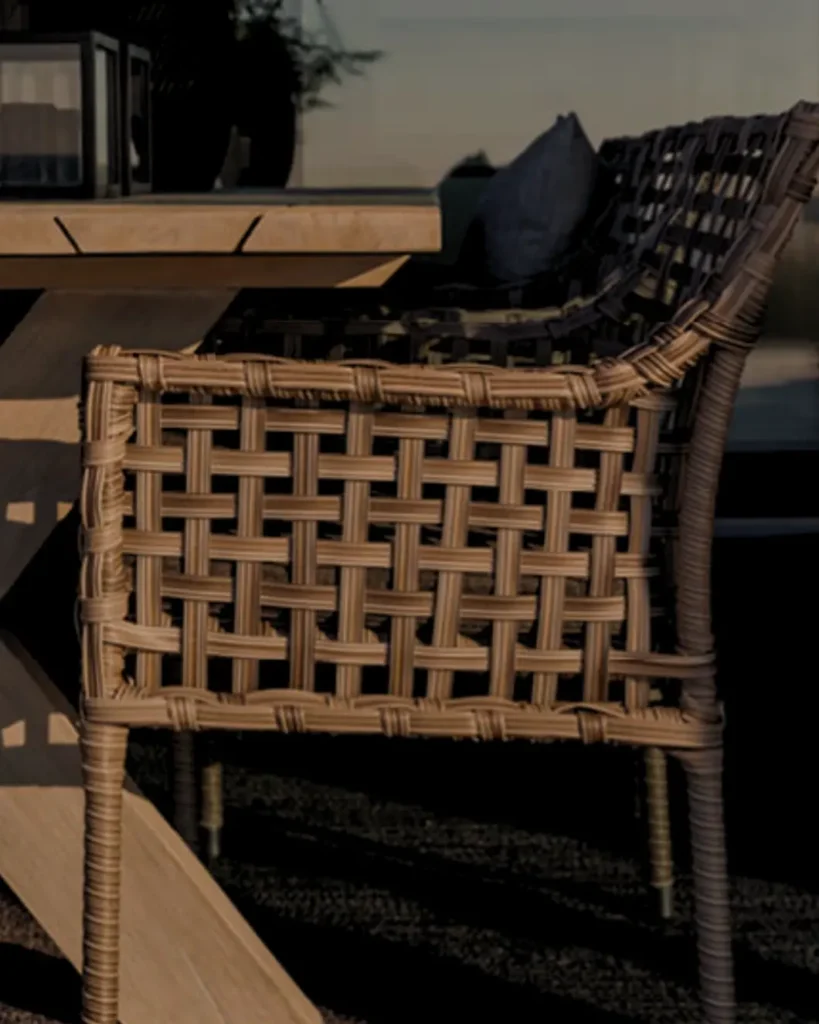
#2 Portfolios, previous production examples and physical samples reveal more than descriptions or online catalogues do. Close attention to joinery, edges, finishing and consistency across similar pieces gives a clearer picture of real capability.
#3 A workshop that handles a few pieces a month may not be ready for a hundred units on a tight deadline. Capacity, current workload, and realistic timelines should be confirmed early, with spare schedule built in for sampling and revisions.
#4 Ask how quality is checked at each stage, raw materials, mid-production, and pre-shipment. Clear inspection points, documented, and consistent finishing processes are signs of a manufacturer that protects consistency across batches.
#5 Custom, white-label and OEM projects depend on clear communication. The ability to work from technical drawings, build samples, respond to revisions, and maintain flowing communication is as important as craftsmanship. A manufacturer that handles specifications well tends to deliver fewer unexpected letdowns.
Finding the right match across hundreds of workshops is time-consuming, especially for buyers who are unfamiliar or cannot visit directly. A procurement partner with established supplier knowledge can help in several practical ways. Supplier mapping narrows the field to workshops that regularly produce the relevant style and material. Sampling coordination confirms capability before large commitments are made. Multiphase quality control protect consistency of quality, and organized project management keeps timelines, communication, and delivery organized in one place. This does not replace the buyer’s judgment. It gives that judgment better information, sooner, and reduces the risk of a shaky production process.
The most reliable furniture projects tend to share one trait, the manufacturer was chosen for what it does best, not simply for being well known or inexpensive. Matching specialty to specification protects quality, keeps schedules realistic, and allows the original design to come to life. For businesses planning a hospitality, retail, or custom furniture project, taking the time to find a great fit at the beginning is one of the most effective ways to avoid problems at the end.
Read more about Le Savara and the industry:
- Look for Furniture Manufacturers That Are Not Only Good but a Great Fit: 5 Steps to Decide On It
- Exploring Signature Furniture from Indonesia and The 3 Region’s Specialty
- 6 Checklist to Make Sure Furniture Pieces Last Long and Are Worth The Money
- Before Choosing Your Future Furniture Source, Remember These 4 Essential Tips!
- 3 Costly Missteps While Reaching at Indonesia Furniture Scene and The Solution We Do To Avert It
➤ Is it safe to source furniture from Indonesia without visiting in person?
Yes, provided you work with a partner who provides independent quality inspection and clear documentation at each stage — visiting in person is helpful but not required when proper oversight is in place.
➤ What’s the difference between buying wholesale and using a procurement or project management service?
Wholesale buying gives you access to existing catalog collections at volume pricing. A procurement or project management service manages the full process, from sourcing, custom production, quality control, and logistics, on your behalf, which matters most for hospitality and custom design projects.
➤ Can I get custom or white-label furniture made in Indonesia?
Yes. Custom production and white-label manufacturing are widely available, though they require a partner with in-house design and production management capability rather than a standard export-only supplier.
➤ How long does it typically take to source and receive furniture from Indonesia?
Timelines vary by order complexity, but the biggest variable is coordination, not production speed. Working with a single accountable partner typically shortens the process by reducing communication delays between separate vendors. Info@lesavara.com and Instagram DM is open for further discussion.
Considering a Furniture or FF&E Project Sourced from Indonesia?
If you’re managing an FF&E program, a custom production run, or a design project that requires natural-material furniture without the coordination burden, that’s precisely the gap this kind of partnership is built to fill.
And find out what a fully managed procurement process looks like end to end.

Related posts
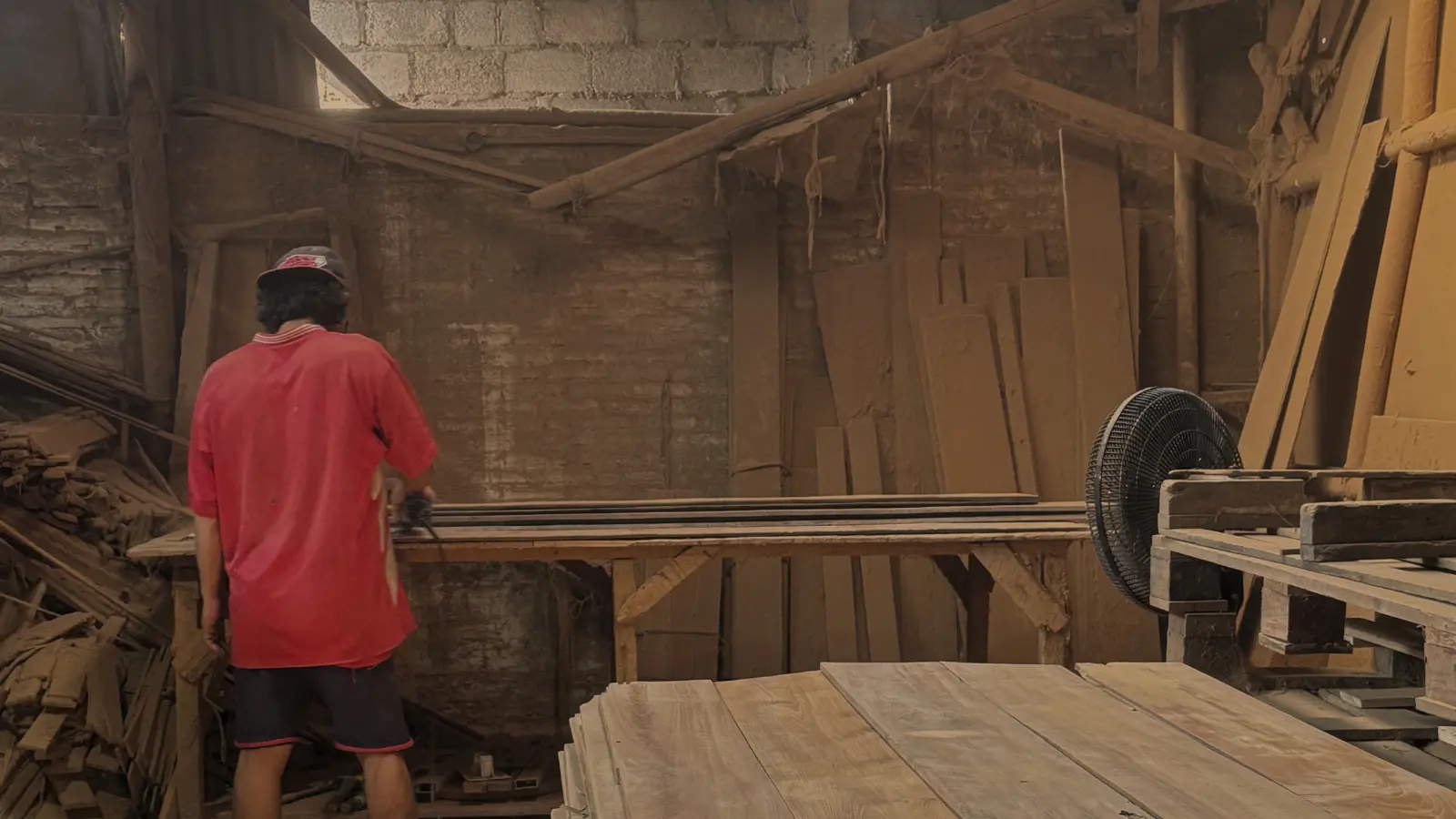
Exploring Signature Furniture from Indonesia and The 3 Region’s Specialty
Some furniture is simply manufactured. Other furniture is shaped by communities that have spent gene …
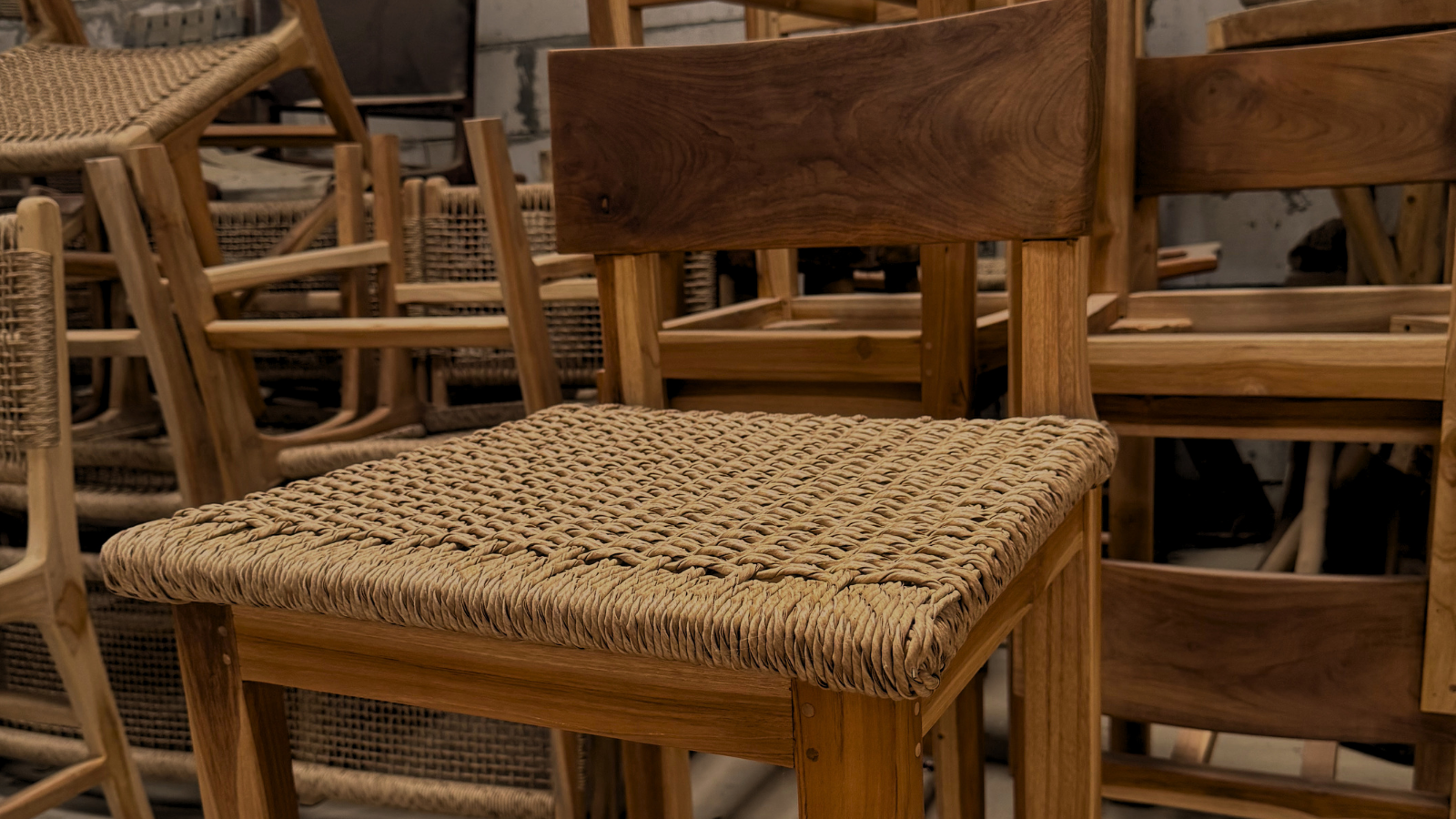
6 Checklist to Make Sure Furniture Pieces Last Long and Are Worth The Money
Buying furniture is an investment, and an investment only pays off when it lasts. A few things on th …