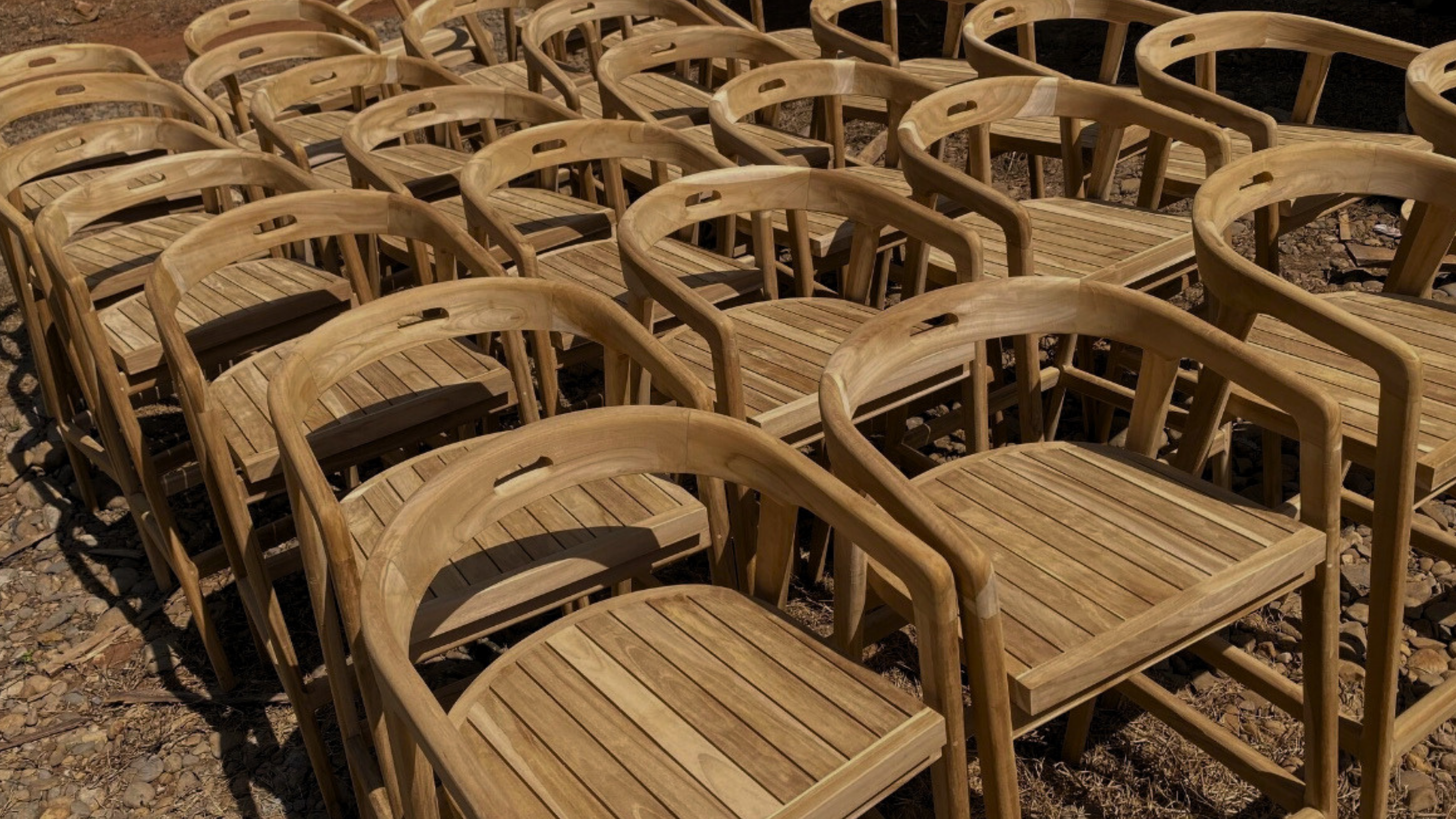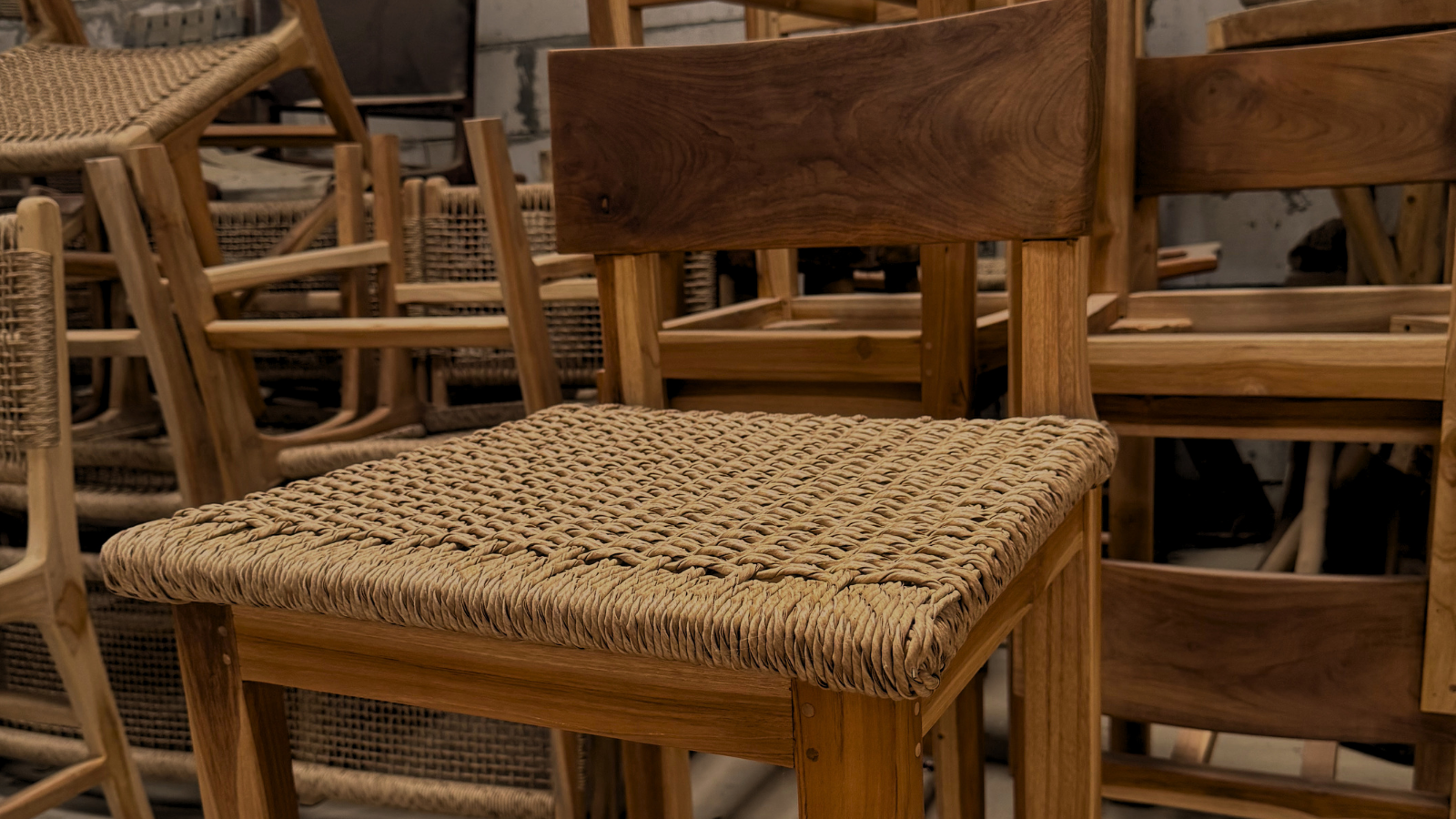
Buying furniture is an investment, and an investment only pays off when it lasts. A few things on the list to check while manufacturing can be the difference between pieces that earn their cost for years and pieces that quietly turn into an expense. This checklist shows what to verify so every dime spent keeps its worth.
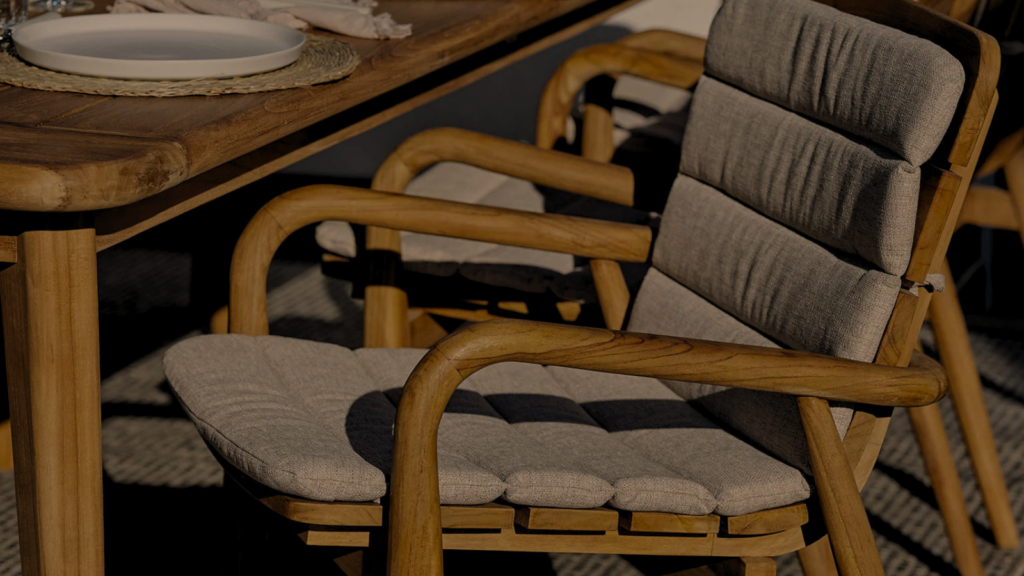
A piece of furniture can look flawless on delivery day and still fail within two years. Loose joints, peeling finishes, and brittle materials are rarely caused by bad luck. In most cases, the cause is a decision made before production began: a material choice, a construction shortcut, or a quality check that never happened. For business owners, developers and buyers, this matters need to be underlined. Furniture that wears out early means replacement costs, downtime, inconsistent interiors, or even guest complaints. Furniture that lasts protects the budget and the brand.
This checklist reminds us what is worth verifying throughout the process, so durability is planned in rather than hoped for.
1. Match the Piece to Its Real Usage
The first question after how a piece looks like is where and how heavily it will be used. A lobby sofa, a restaurant chair, and a guest room nightstand face very different levels of wear. Residential-grade furniture placed in a commercial setting is one of the most common causes of early failure. What to check: whether the piece is specified for light, medium or heavy use, and whether the manufacturer builds to commercial standards for hospitality projects that up to standard.
2. Verify the Materials: Grade and Moisture
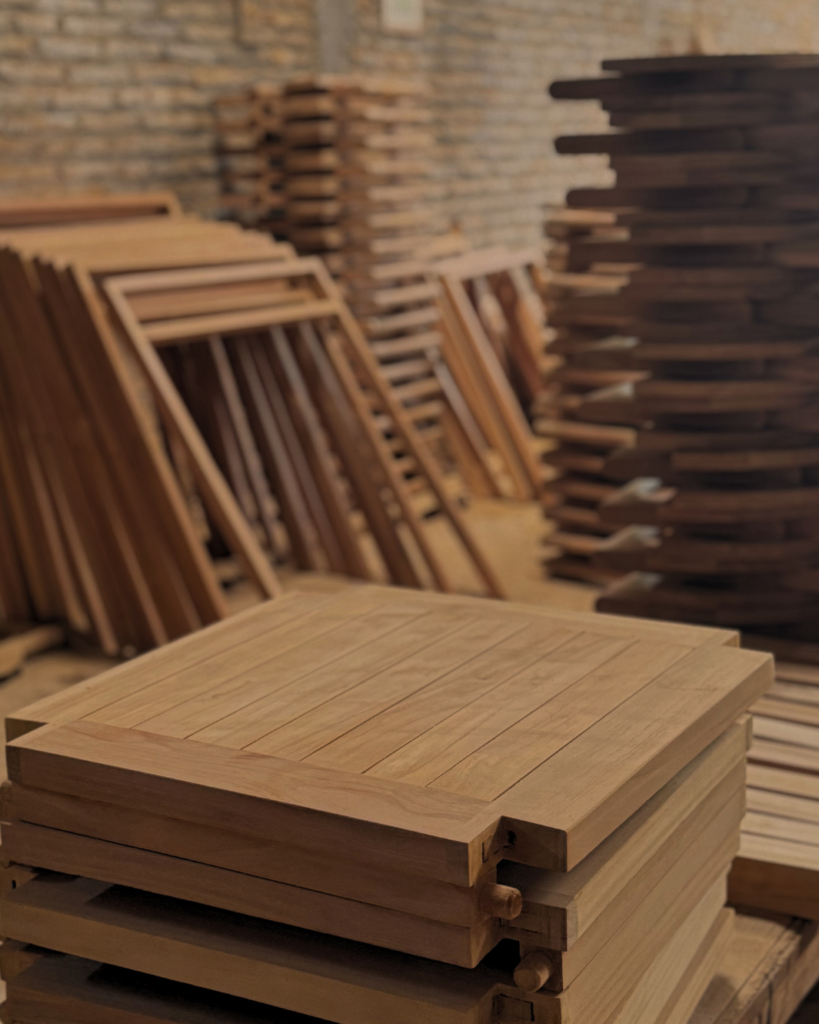
Solid wood will be as reliable as its preparation. Wood that is not properly dried tends to shrink, crack or chipped, especially in tropical and humid climates where moisture levels shift constantly. Interior furniture wood material is commonly dried to a targeted moisture content, though the right target depends on the destination climate. What to check: the timber species, whether it was kiln-dried, the moisture content at production, and whether the supply is legally sourced, and the other materials such as adhesive also confirmed.
3. Inspect How the Frame Is Joined
Construction methods separate pieces that last decades from those that loosen within months. Corner blocks and reinforced stress points add strength to chairs, tables and bed frames. What to check: joinery type at high-stress points such as chair legs, table aprons and drawer corners, and whether the frame is reinforced where weight and movement concentrate.
4. Check the Finish and Surface Protection
Finish of the product is the first line of defense against moisture, heat, scratches, cleaning chemicals and sunlight. A poor finish can make solid wood look worn quickly, while a well-applied one can extend its life significantly. Outdoor and semi-outdoor pieces also need certain specification of essential finishes. What to check: the finish type, the number of coats, resistance to scratches and stains, suitability for commercial cleaning, and whether surfaces can be refinished or touched up later.
5. Look Closely at Upholstery and Cushioning
Fabric and foam determine long-term comfort and appearance. Heavy commercial upholstery is often rated at 30,000 or more double rubs on the Martindale abrasion test, while lighter ratings suit low-traffic residential use. Foam density also affects how well a cushion keeps its shape, with higher-density, high-resilience foam resisting sagging far longer than low-grade fill. What to check: fabric abrasion rating, colorfastness, stain and mold resistance, foam density and resilience, and fire-retardancy compliance where required for hospitality use.
6. Plan for Packaging, Care and Aftercare
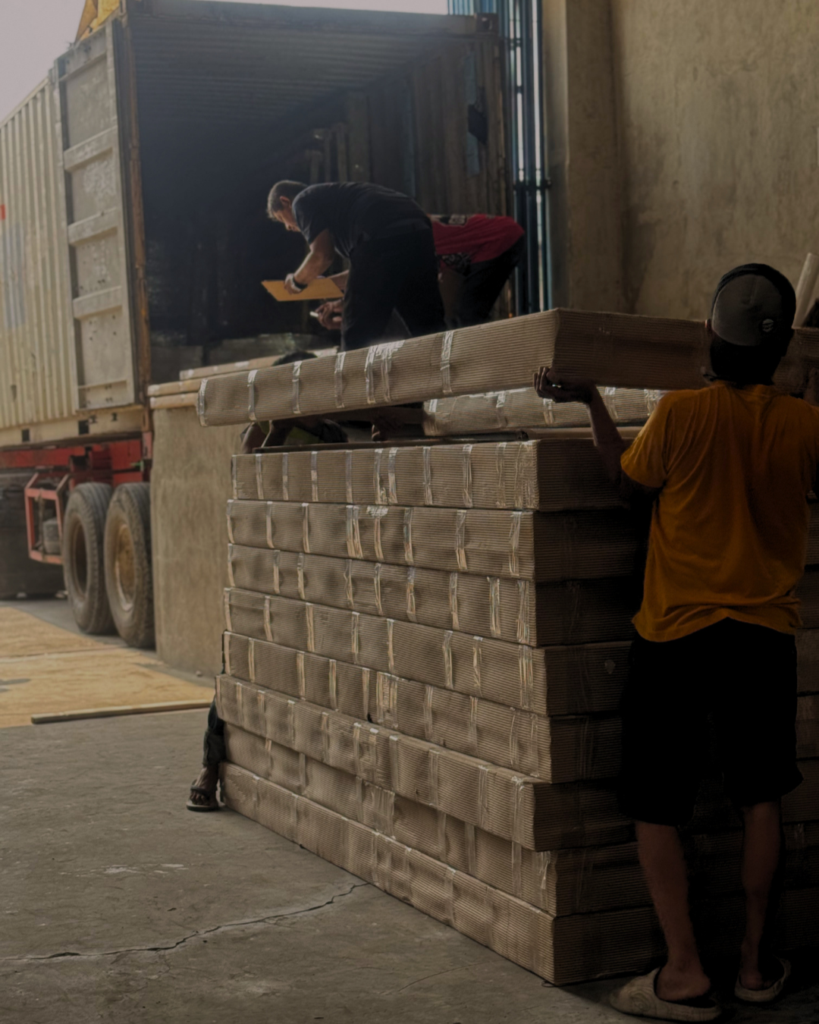
A durable piece can still be damaged in transit or its lifetime being shortened by improper care. Protective packaging, clear handling instructions, cleaning guidance and access to spare parts or touch-up materials extend service life. For larger projects, ordering a small surplus of fabric and finish makes future repairs match the original. What to check: packaging standards, written care and maintenance guides, warranty terms, and the supplier’s track record with after-sales support.
Why a Thorough Quality Check Is a Business Decision
A lower initial price can hide a higher lifetime cost. When replacement, repair, downtime and reputation are included, durable furniture often proves to be the more economical choice. Total cost of ownership, rather than the unit price alone, gives a clearer picture of value. Quality checks also help to remember that durability and style are not opposites.
Soft forms, natural materials and handcrafted character can all be built to last when the right specifications and checks are in place. That is why we need approved samples and prototypes to confirm that materials, dimensions and finishes match the specification. Inspection at stages such as raw material, mid-production and pre-shipment catch and resolve defects while they can still be corrected.
On the big picture, verifying all points can take considerable time and technical knowledge. A procurement partner with project management, quality control and manufacturing experience can coordinate specifications, manufacturer, sampling and inspection as one connected process, reducing the risk of costly surprises. Furniture that lasts is due to intention and planning. It is the result of informed choices, clear specifications and consistent checks from the first sketch to the final delivery.
Read more about Le Savara and the industry:
- Look for Furniture Manufacturers That Are Not Only Good but a Great Fit: 5 Steps to Decide On It
- Exploring Signature Furniture from Indonesia and The 3 Region’s Specialty
- 6 Checklist to Make Sure Furniture Pieces Last Long and Are Worth The Money
- Before Choosing Your Future Furniture Source, Remember These 4 Essential Tips!
- 3 Costly Missteps While Reaching at Indonesia Furniture Scene and The Solution We Do To Avert It
➤ Is it safe to source furniture from Indonesia without visiting in person?
Yes, provided you work with a partner who provides independent quality inspection and clear documentation at each stage — visiting in person is helpful but not required when proper oversight is in place.
➤ What’s the difference between buying wholesale and using a procurement or project management service?
Wholesale buying gives you access to existing catalog collections at volume pricing. A procurement or project management service manages the full process, from sourcing, custom production, quality control, and logistics, on your behalf, which matters most for hospitality and custom design projects.
➤ Can I get custom or white-label furniture made in Indonesia?
Yes. Custom production and white-label manufacturing are widely available, though they require a partner with in-house design and production management capability rather than a standard export-only supplier.
➤ How long does it typically take to source and receive furniture from Indonesia?
Timelines vary by order complexity, but the biggest variable is coordination, not production speed. Working with a single accountable partner typically shortens the process by reducing communication delays between separate vendors. Info@lesavara.com and Instagram DM is open for further discussion.
Considering a Furniture or FF&E Project Sourced from Indonesia?
If you’re managing an FF&E program, a custom production run, or a design project that requires natural-material furniture without the coordination burden, that’s precisely the gap this kind of partnership is built to fill.
And find out what a fully managed procurement process looks like end to end.
Related posts
Look for Furniture Manufacturers That Are Not Only Good but a Great Fit: 5 Steps to Decide On It
Looking for only a good furniture manufacturer is not enough, the goal is to find one that is great …
Exploring Signature Furniture from Indonesia and The 3 Region’s Specialty
Some furniture is simply manufactured. Other furniture is shaped by communities that have spent gene …