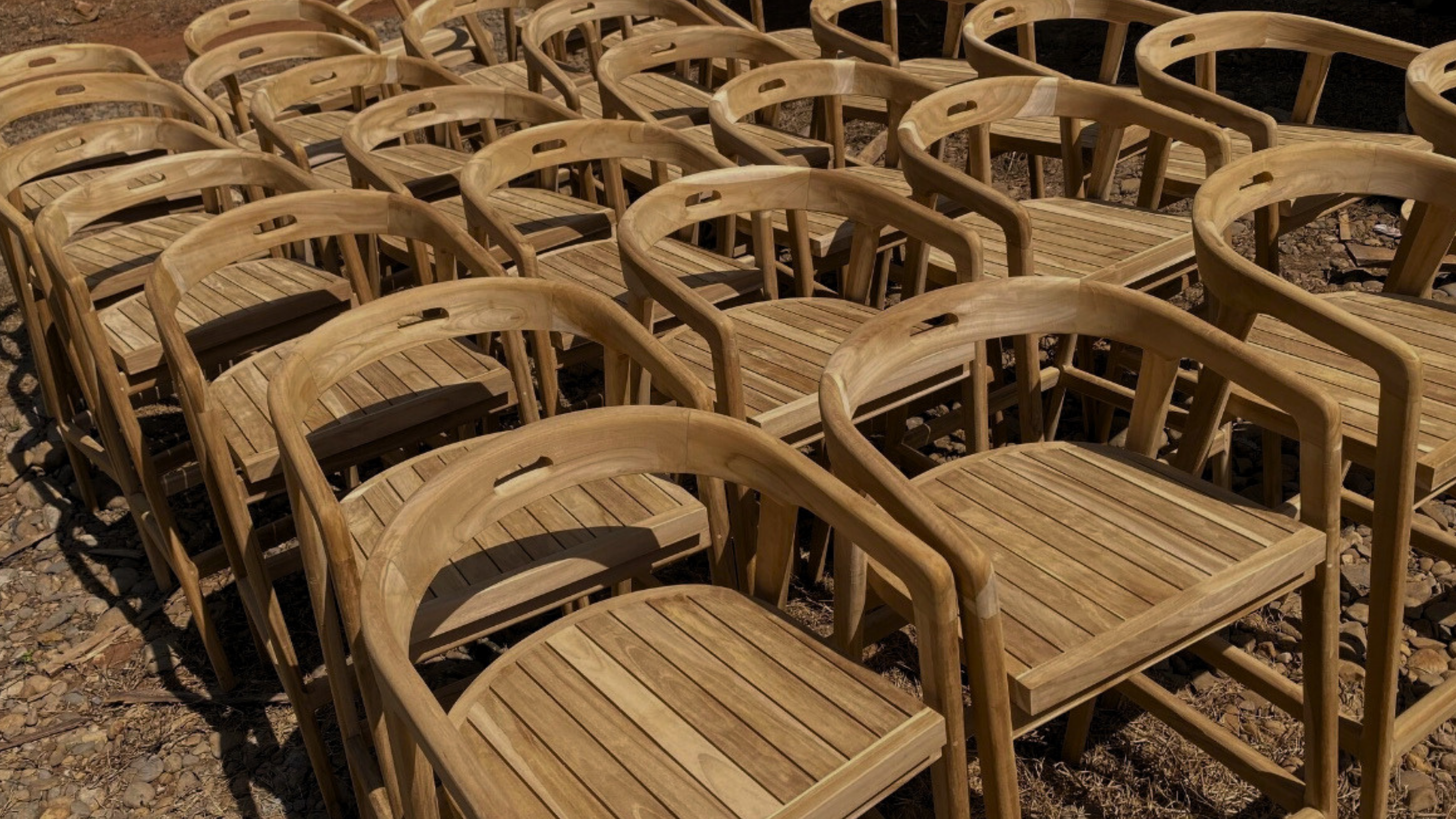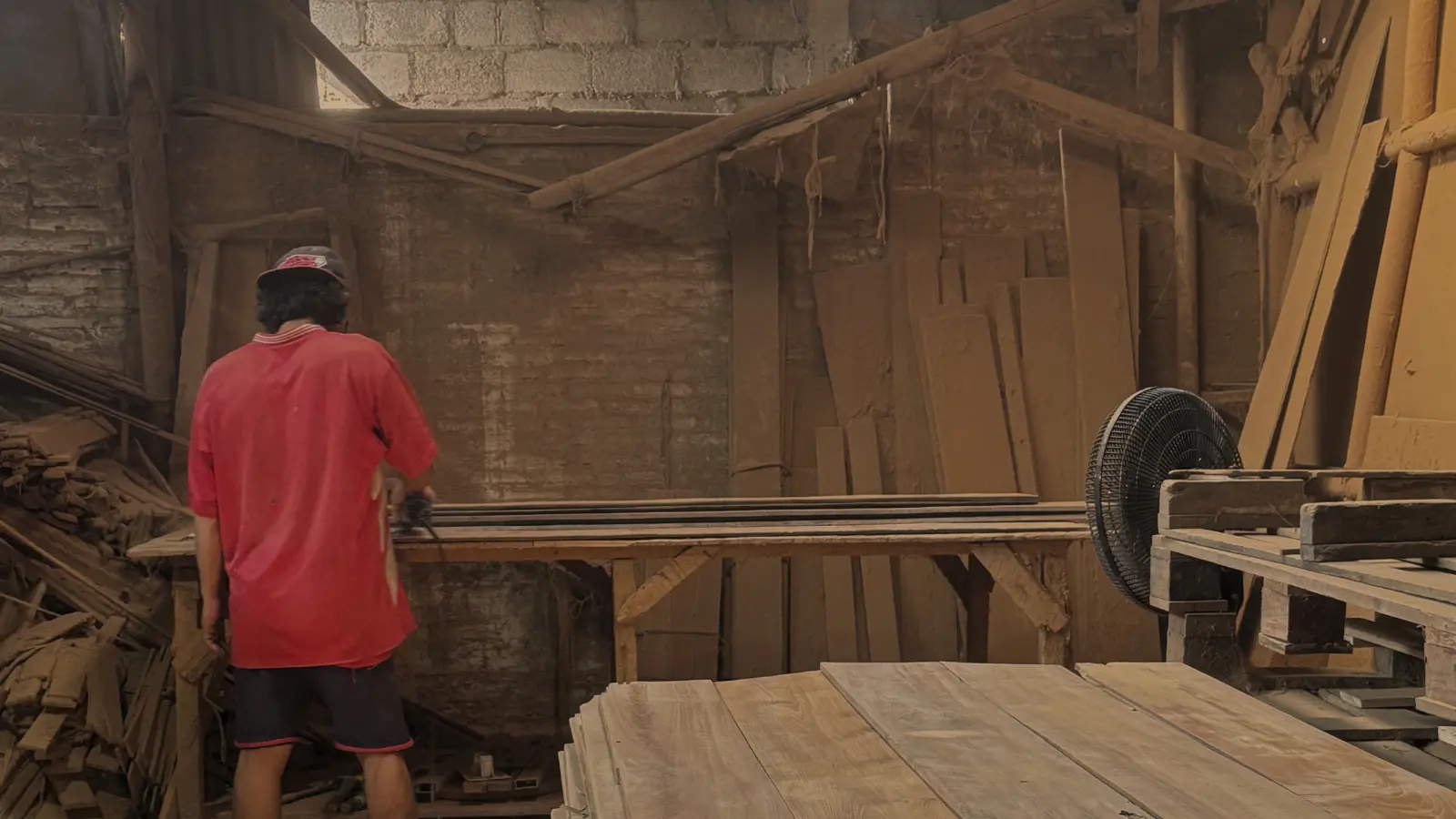
Some furniture is simply manufactured. Other furniture is shaped by communities that have spent generations refining a set of skills, and that is how most furniture from Indonesia produced. It is a regional tradition, passed from workshop to workshop, and it is the reason the country has become a trusted source for handmade furniture worldwide.
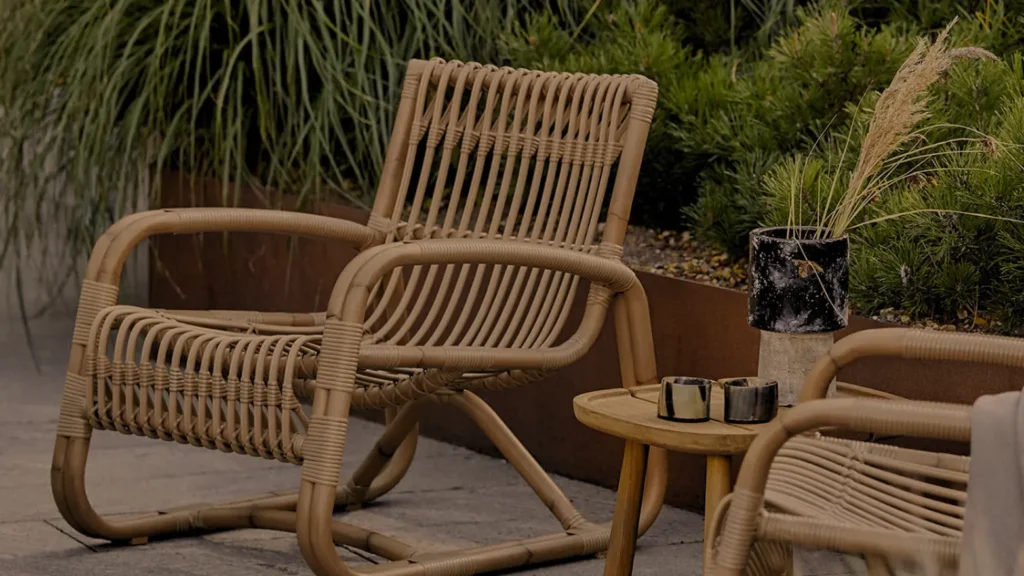
For hotel owners, restaurateurs, retailers and brand owners, knowing where a piece comes from is more than a matter of curiosity. Each craft region carries its own materials, techniques and strengths, and those differences shape how a piece looks, how it ages and how well it suits a project. Handmade furniture offers something that factory output rarely does: character that holds up under close inspection. Visible joinery, hand-finished edges and natural variation in grain or weave give a piece such a distinctive character, which has become another value added, especially in hospitality interiors where guests notice detail.
Craftsmanship also affects long-term value. Pieces built by experienced makers, using fitting construction methods, tend to be easier to repair, refinish and keep in service over the years. For commercial projects, that translates into lower replacement cost over the pieces’ life. In Indonesia, those who are interested can explore a number of cities that offer this.
#1 One of the cities is Yogyakarta and the surrounding areas, particularly Bantul and Sleman, are home to a board network of furniture workshops and wood craft villages. The region is also known for a wider creative culture that includes batik, ceramics and woodcraft, which gives local artisans a strong design sensibility. Rather than being defined by one single method, Yogyakarta’s strength lies in versatility. Workshops commonly combine solid wood joinery, hand finishing and decorative treatments, and many are comfortable working from custom drawings. Local wooden crafts with hand-painted or batik-inspired surface decoration reflect the region’s artistic roots.
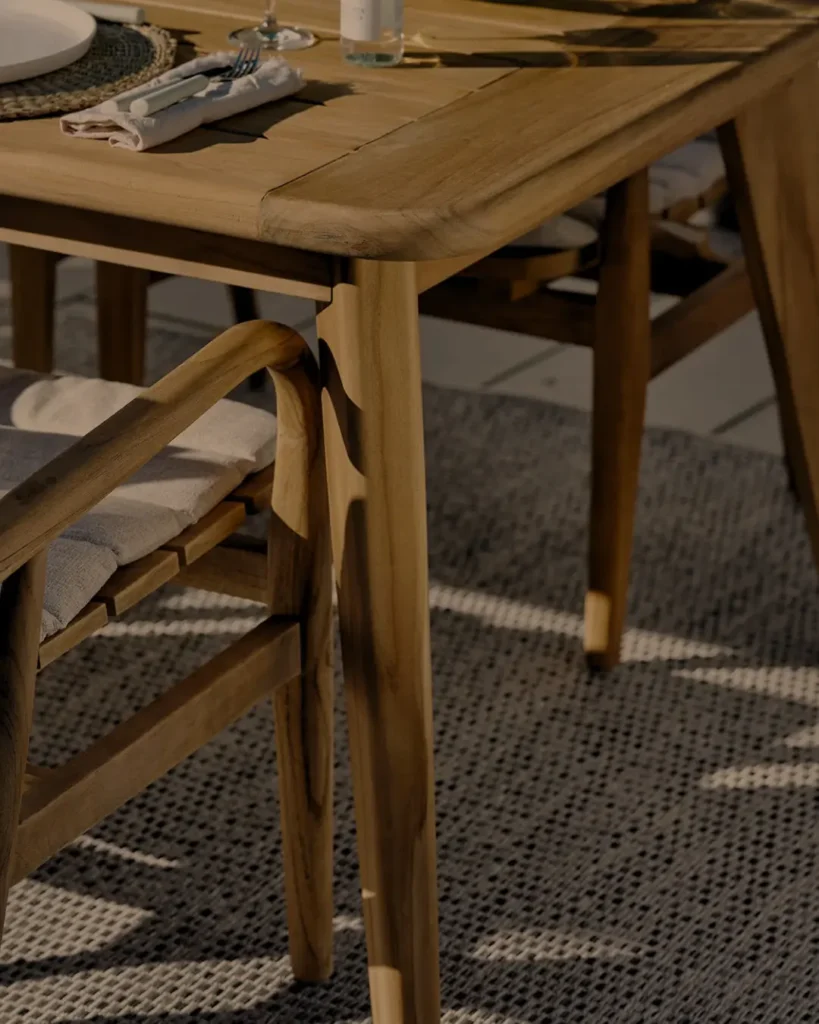
For materials, teak is widely used, along with other hardwoods, and the region’s craft tradition also extends to bamboo and natural fibers. Large production of dining tables, chairs, beds, cabinetry, bespoke case goods and decorative accessories are common, from residential collections to hotel and villa furnishing..
#2 Another well-known city of craftsmanship is Jepara, on the northern coast of Central Java, is widely regarded as one of Indonesia’s best-known furniture and wood carving centers. Carving has long been part of the local identity, and the craft supports a large community of artisans. Jepara is known for detailed relief carving, in which patterns such as foliage, scrolls and traditional motifs are shaped into the wood surface by hand. The work ranges from richly classical styles to cleaner, contemporary interpretations.
In Jepara, teak and mahogany are the most used woods. Both are valued for strength, workability and the ability to hold fine carved detail. Producing masterpiece like carved doors and panels, headboards, cabinets, dining sets, consoles and statement pieces are common, as are both classic and modern furniture lines.
#3 The Cirebon area on the north coast of West Java is one of Indonesia’s most recognized rattan furniture centers. Rattan is typically harvested and processed and crafted into furniture or home decor in this region. Rattan often relies on two core skills: bending, where rattan are shaped using heat and steam, and weaving, where split rattan is hand woven into patterns for seats, backs and panels. The result is lightweight, flexible, naturally textured furniture. Rattan often used for chairs, lounge seating, daybeds, headboards, pendant lamps, side tables and decorative screens, including pieces suited to semi-outdoor and resort settings
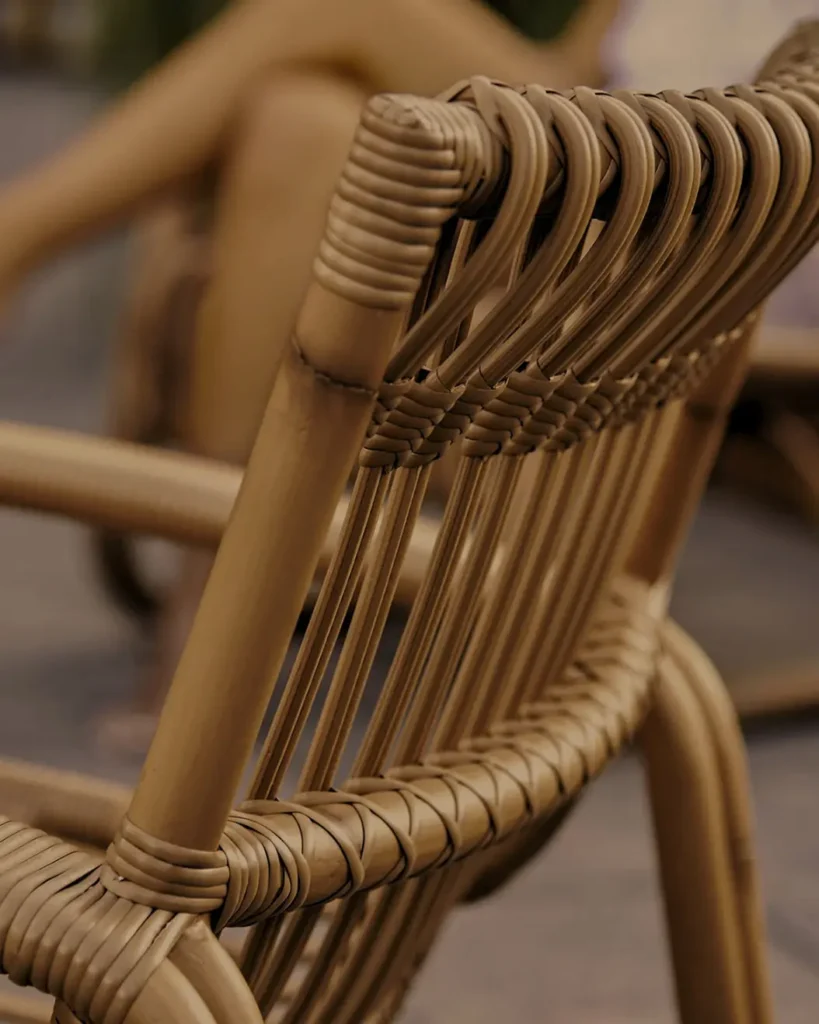
Each region brings its own strengths. Yogyakarta offers flexibility for tailored and mixed-material designs, Jepara provides depth in carved teak and mahogany, and Cirebon delivers the tactile warmth of rattan. Matching the craft to the idea and vision, rather than the other way around, is where the satisfying results tend to begin.
And not only in Yogyakarta, Jepara and Cirebon, Indonesia’s craft map stretches across the country. Each region draws on local materials, heritage and generations of skill, which is why Indonesia offers such a wide range of handmade furniture and home decor, from refined and modern minimal to richly detailed. For buyers, that diversity means so many vision can be turned into reality with the fitting manufacturer and the right partner on the ground, get a hold of desired furniture from indonesia.
For businesses planning a furniture or FF&E project, working with a procurement partner experienced in supplier selection, sampling, quality control and project management can make the journey from design idea to finished piece considerably smoother.
Read more about Le Savara and the industry:
- Look for Furniture Manufacturers That Are Not Only Good but a Great Fit: 5 Steps to Decide On It
- Exploring Signature Furniture from Indonesia and The 3 Region’s Specialty
- 6 Checklist to Make Sure Furniture Pieces Last Long and Are Worth The Money
- Before Choosing Your Future Furniture Source, Remember These 4 Essential Tips!
- 3 Costly Missteps While Reaching at Indonesia Furniture Scene and The Solution We Do To Avert It
➤ Is it safe to source furniture from Indonesia without visiting in person?
Yes, provided you work with a partner who provides independent quality inspection and clear documentation at each stage — visiting in person is helpful but not required when proper oversight is in place.
➤ What’s the difference between buying wholesale and using a procurement or project management service?
Wholesale buying gives you access to existing catalog collections at volume pricing. A procurement or project management service manages the full process, from sourcing, custom production, quality control, and logistics, on your behalf, which matters most for hospitality and custom design projects.
➤ Can I get custom or white-label furniture made in Indonesia?
Yes. Custom production and white-label manufacturing are widely available, though they require a partner with in-house design and production management capability rather than a standard export-only supplier.
➤ How long does it typically take to source and receive furniture from Indonesia?
Timelines vary by order complexity, but the biggest variable is coordination, not production speed. Working with a single accountable partner typically shortens the process by reducing communication delays between separate vendors. Info@lesavara.com and Instagram DM is open for further discussion.
Considering a Furniture or FF&E Project Sourced from Indonesia?
If you’re managing an FF&E program, a custom production run, or a design project that requires natural-material furniture without the coordination burden, that’s precisely the gap this kind of partnership is built to fill.
And find out what a fully managed procurement process looks like end to end.
Related posts
Look for Furniture Manufacturers That Are Not Only Good but a Great Fit: 5 Steps to Decide On It
Looking for only a good furniture manufacturer is not enough, the goal is to find one that is great …
6 Checklist to Make Sure Furniture Pieces Last Long and Are Worth The Money
Buying furniture is an investment, and an investment only pays off when it lasts. A few things on th …