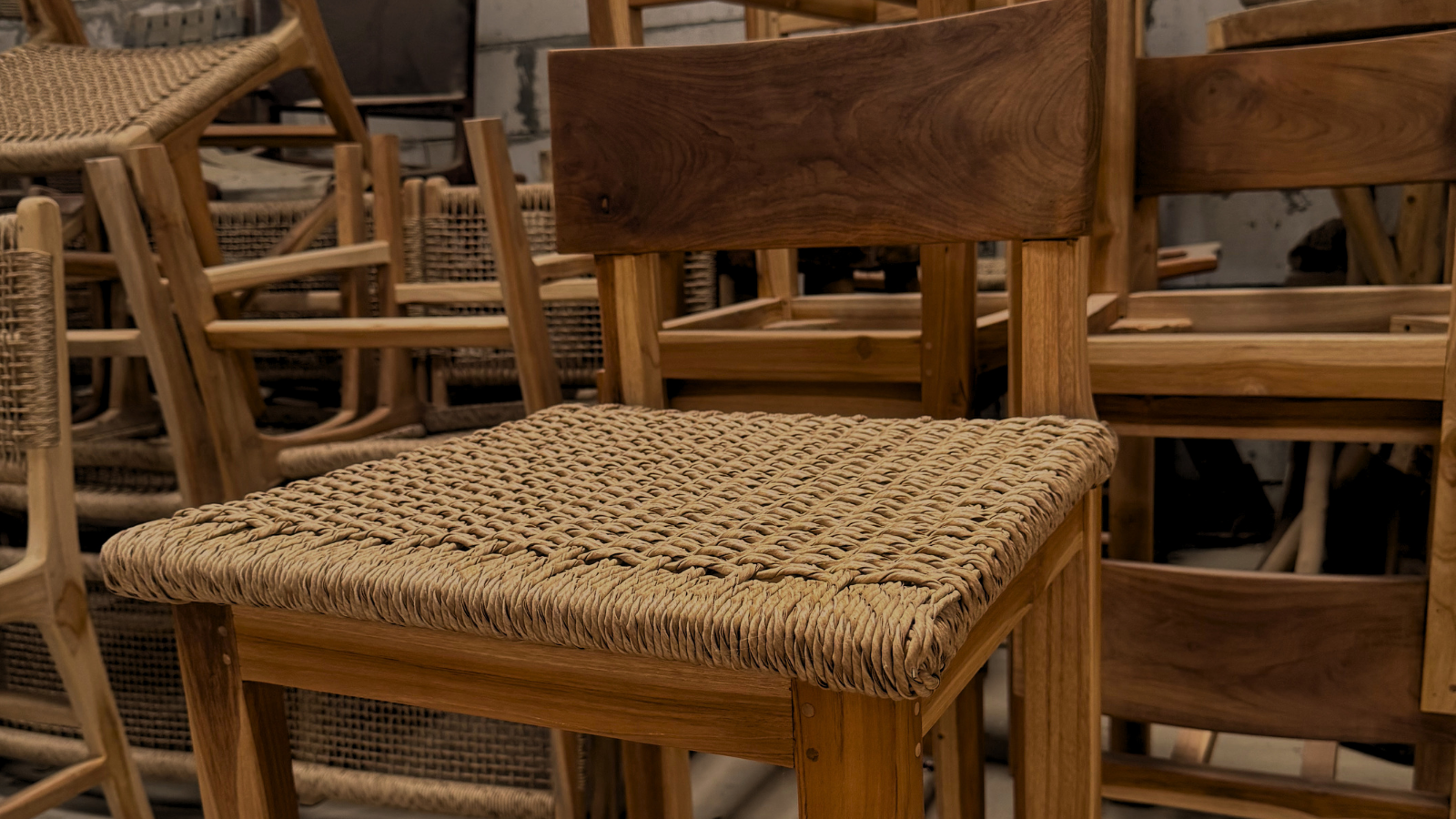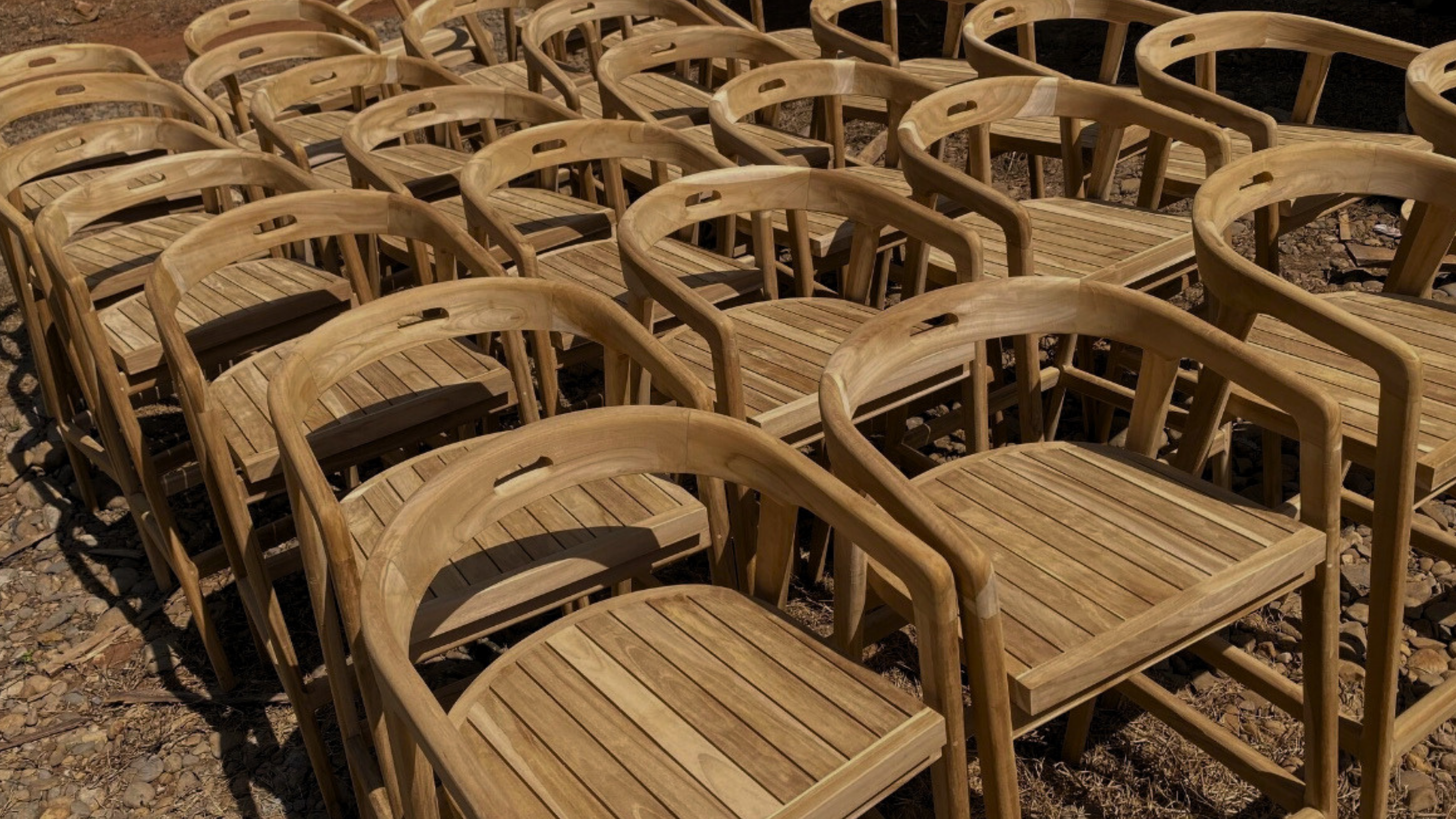
Choosing a supplier or manufacturer equals determining the type of path that a business will go through, either it is a path that ensures a smooth and high-quality ride, or a rocky ride that gives people just another pain in the neck to deal with. Thus, comparing and making decisions regarding this matter needs to be thoroughly mapped out to get the best furniture outcome.
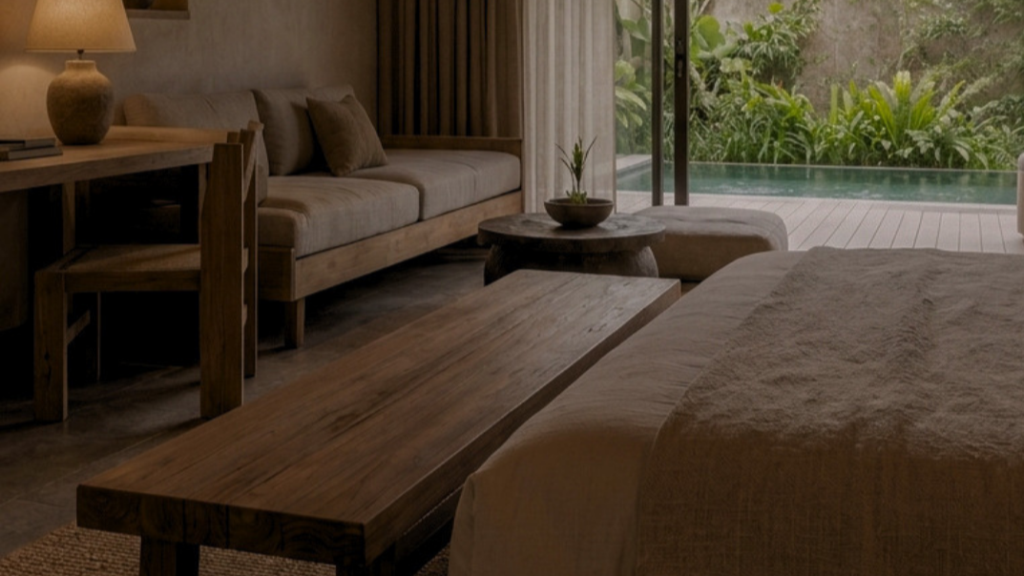
Finding a manufacturing partner for commercial furniture procurement is rarely as straightforward as comparing calculations on a spreadsheet. On paper, two handcrafted wood lounge chairs from two different sources may appear identical in terms of design, size, and price. However, three months after installation in a high-traffic hotel lobby or resort patio, one piece remains structurally fine while the other suffers from distorted woodwork, sagging fabric materials, or premature paint degradation.
Evaluating prospects for furniture procurement in Indonesia requires considering beyond surface-level prices and visual representations digitally. Understanding how a supplier manages raw materials, enforces quality control gates, and handles structural engineering is what distinguishes an efficient project timeline from an operational nightmare. The fundamental distinction between a decent vendor and a true great manufacturing partner is found in technical standards, raw material integrity, and quality control infrastructure (QC). To see through it, keep these aspects in mind.
1. Look Beyond the FOB Unit Price: The True Cost of The Piece
Initial unit pricing creates a common trap in interior scene in Indonesia. Selecting a supplier based solely on the lowest quote often shifts financial burdens into hidden categories: overlooked damage, extended lead times, site rework, and rapid replacement cycles. Evaluating quotes requires calculating total delivered value rather than baseline product cost only. A transparent partner details every component of the production process, often includes:
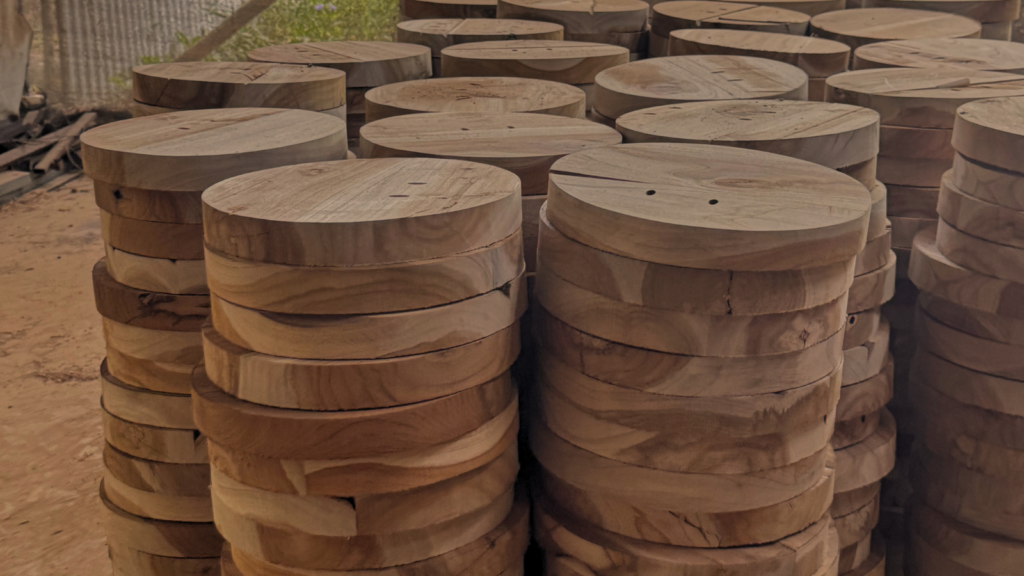
Moisture Verification: Indonesian hardwoods must undergo proper dry down to a specified moisture content to prevent cracking when exported to drier or air-conditioned climates. Lower quotes often do not include this.
Hardware and Internal Structure Integrity: High-traffic hospitality environments demand commercial-grade joinery (mortise and tenon or heavy doweling) alongside certified structural hardware rather than light residential standard.
Lifecycle Economics: Commercial furniture designed to last 10 to 15 years yields significantly lower annual expenses than initial cheaper alternatives needing replacement just after 3 years.

2. Differentiate Commercial OEM Facilities from Standard Retail Vendors
When engaging an Indonesia furniture OEM, verifying that the factory operates explicitly for contract hospitality or commercial projects is critical. Retail suppliers focus on aesthetic variety and light residential comfort, whereas specialized commercial procurement centers around strict specifications, batch consistency, and load-bearing safety. This point must be considered to fit the needs, as well as to make sure the timeline plan can be arranged accordingly.
3. Verify Material Transparency and Compliance Frameworks
Navigating global procurement from international manufacturing hubs requires verified compliance. Indonesia enforces legal material traceability through the SVLK (Sistem Verifikasi Kelestarian Kayu) certification system, which guarantees that raw materials originate from sustainably managed forests and legal harvesting zones.
Beyond legal compliance, material transparency directly impacts long-term product durability. Leading procurement partners openly disclose raw material sources, whether specifying sustainably harvested teak from Java, commercial-grade rattan, or eco-conscious natural fibers like seagrass or water hyacinth, and other possible materials. Clear material documentation eliminates sub-standard fillers or undisclosed substitutions that are not up to scale before mass production begins.
4. Insist on a Structured 5-Stage Procurement & QC Workflow
A reliable partner for furniture sourcing from Indonesia operates with a systematic project management flow. Evaluating potential partners involves reviewing their end-to-end operational framework, as clear as:
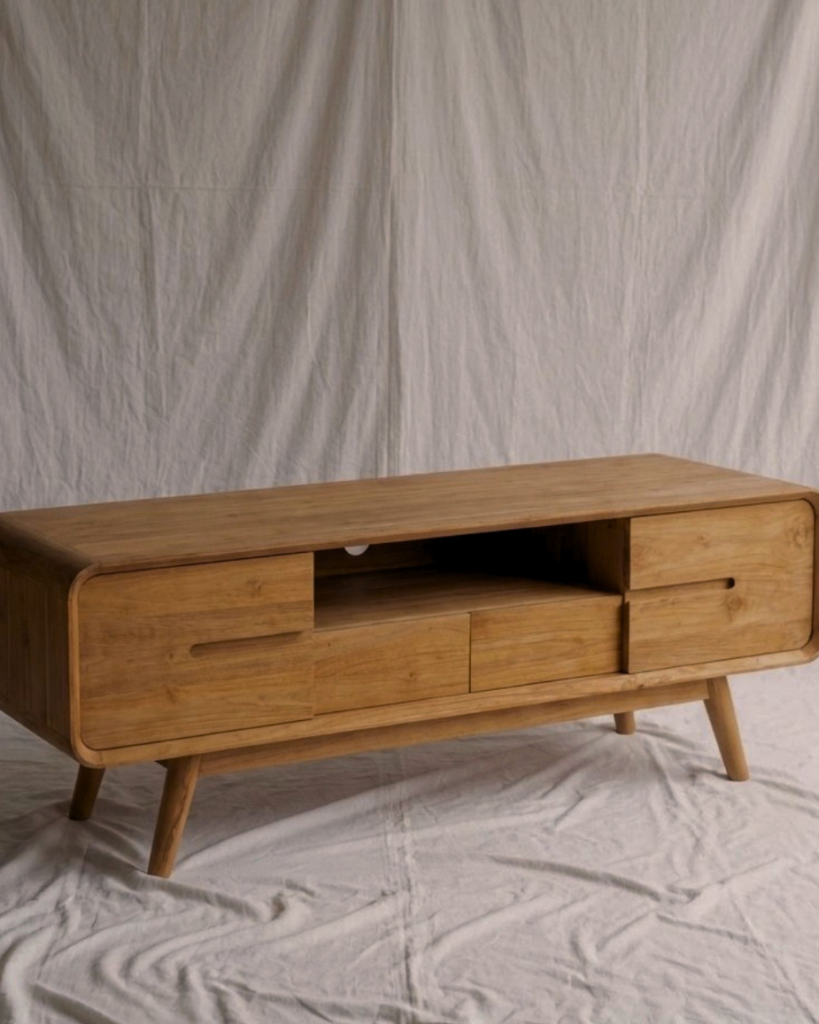
Detailed Requirement Analysis: Reviewing architectural specifications, target budgets, usage vision, and exact item quantities before issuing formal quotes.
Strategic Sourcing & Prototyping: Matching specific project requirements with specialized manufacturing units and signing off on a physical sample or full-scale sample before starting mass production.
Production Coordination: Maintaining meticulous production schedules, material tracking, and continuous clear communication across supply chain partners.
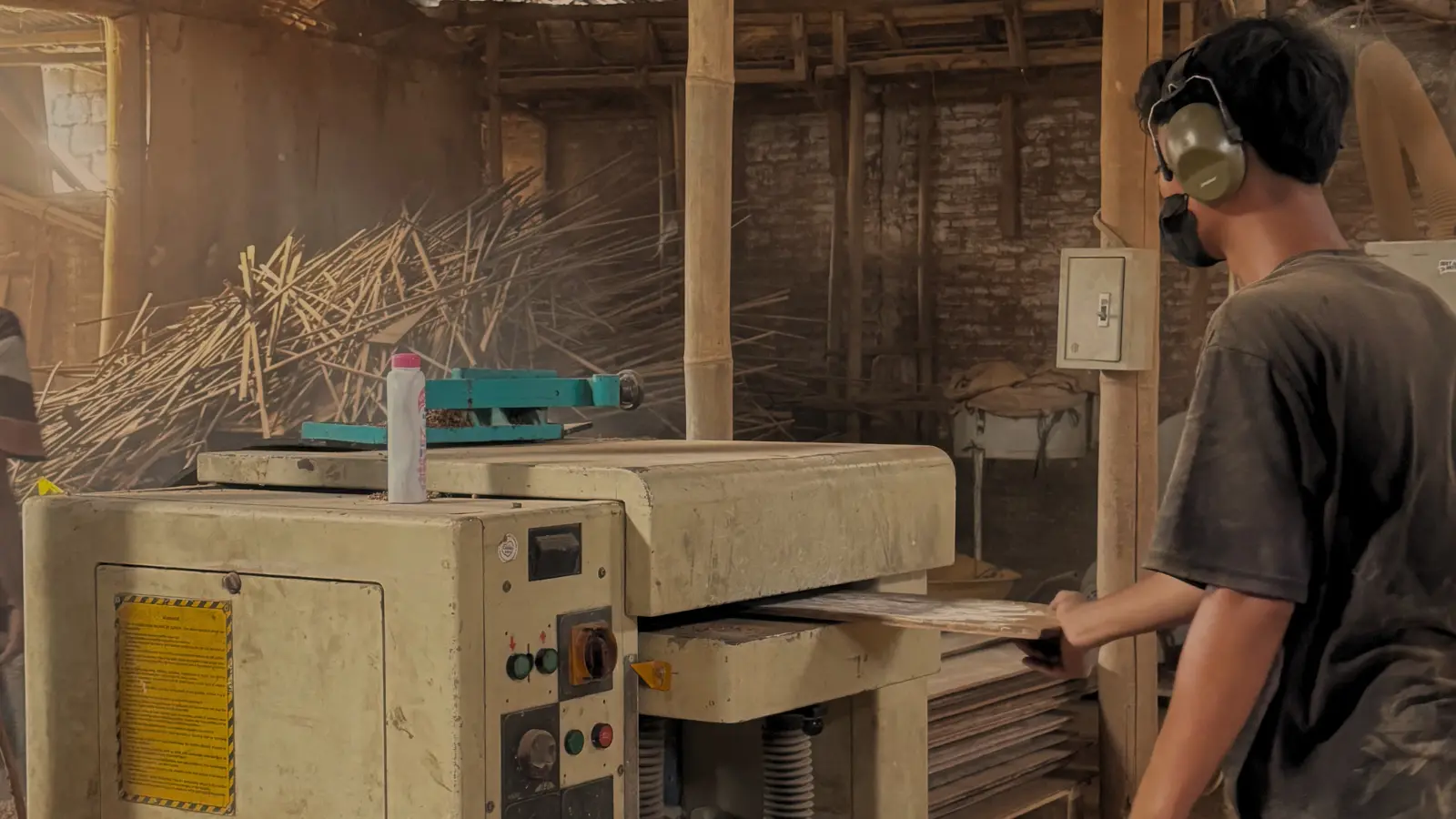
On-Site Stage-by-Stage Inspections: Executing thorough quality control checks at multiple stages, from raw frame assembly to final finishing before logging for complete, safe delivery.
Logistics & On-Site Installation Support: Managing protective export packaging, container loading, customs paperwork, and coordinated delivery schedules to align with the proper timeline.
Comparing future furniture suppliers comes down to evaluating trust, material transparency, and systemized execution. Ultimately, navigating multiple overseas manufacturers, verifying certifications, and conducting on-site factory audits does not have to fall entirely on internal teams to avoid extra expenses. All the operational phases, supply chain risk, and administrative hassle of direct manufacturer selection can be seamlessly bypassed by partnering with an end-to-end procurement project management company. By handing off supplier assortment, production tracking, stage-gate inspections, and international logistics to a dedicated partner, business owners can guarantee their design vision, ensure commercial-grade quality, and deliver projects on schedule, while keeping focus on core business operations aspect.
Read more about Le Savara and the industry:
- Look for Furniture Manufacturers That Are Not Only Good but a Great Fit: 5 Steps to Decide On It
- Exploring Signature Furniture from Indonesia and The 3 Region’s Specialty
- 6 Checklist to Make Sure Furniture Pieces Last Long and Are Worth The Money
- Before Choosing Your Future Furniture Source, Remember These 4 Essential Tips!
- 3 Costly Missteps While Reaching at Indonesia Furniture Scene and The Solution We Do To Avert It
➤ Is it safe to source furniture from Indonesia without visiting in person?
Yes, provided you work with a partner who provides independent quality inspection and clear documentation at each stage — visiting in person is helpful but not required when proper oversight is in place.
➤ What’s the difference between buying wholesale and using a procurement or project management service?
Wholesale buying gives you access to existing catalog collections at volume pricing. A procurement or project management service manages the full process, from sourcing, custom production, quality control, and logistics, on your behalf, which matters most for hospitality and custom design projects.
➤ Can I get custom or white-label furniture made in Indonesia?
Yes. Custom production and white-label manufacturing are widely available, though they require a partner with in-house design and production management capability rather than a standard export-only supplier.
➤ How long does it typically take to source and receive furniture from Indonesia?
Timelines vary by order complexity, but the biggest variable is coordination, not production speed. Working with a single accountable partner typically shortens the process by reducing communication delays between separate vendors. Info@lesavara.com and Instagram DM is open for further discussion.
Considering a Furniture or FF&E Project Sourced from Indonesia?
If you’re managing an FF&E program, a custom production run, or a design project that requires natural-material furniture without the coordination burden, that’s precisely the gap this kind of partnership is built to fill.
And find out what a fully managed procurement process looks like end to end.
Related posts
Look for Furniture Manufacturers That Are Not Only Good but a Great Fit: 5 Steps to Decide On It
Looking for only a good furniture manufacturer is not enough, the goal is to find one that is great …
Exploring Signature Furniture from Indonesia and The 3 Region’s Specialty
Some furniture is simply manufactured. Other furniture is shaped by communities that have spent gene …