Being in a different country from the manufacturer is one of the biggest challenges business owners may face. To mitigate risks and ensure flawless execution, forward-thinking is needed, and business owners, commercial developers, and brand founders must make a crucial decision that will shape the future workflow.
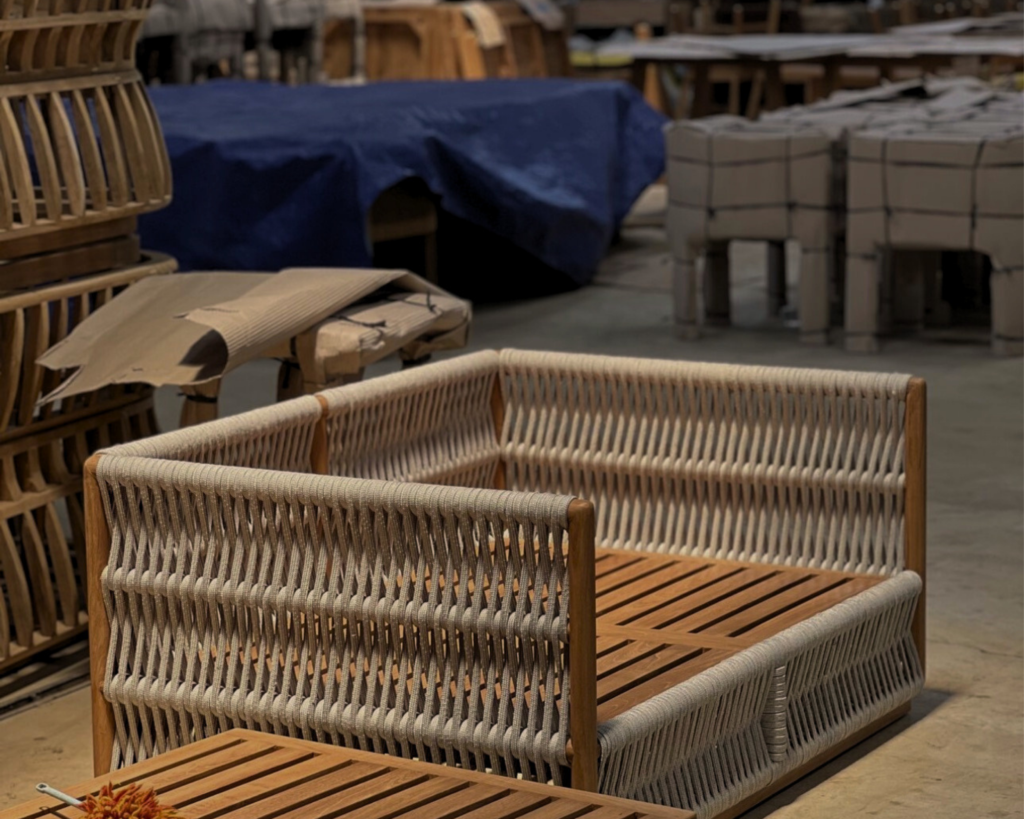
Managing interior and furniture procurement internationally is one of the most effective ways to scale a brand, lower production costs, and access local gems of craftsmanship. Indonesia, in particular, has emerged as a well-known global hub for solid teak, natural rattan, custom pieces, and high-end hospitality FF&E (Furniture, Fixtures & Equipment).
However, navigating the process from the other side of the world comes with significant operational risks, in various forms, and from many angles. It may be varied, from unannounced material swaps, production bottlenecks, language barriers, and hidden markups can quickly turn a profitable expansion into a logistic nightmare. And those are the reasons for considering the pivotal strategy, which many now prefer, partnering with an on-site project and procurement partner located directly in the manufacturing region.
The arrangement of having a local-based, on-site project partner makes the mapping of planning, production, and delivery come with ease. This strategy also benefits the business owners in terms of control of the process in general without having to take chances with risk or cash on extra expenses outside of the business. There are three main factors that convince people who consider implementing this arrangement.
- Bridging the Distance: Active On-Site Factory Oversight
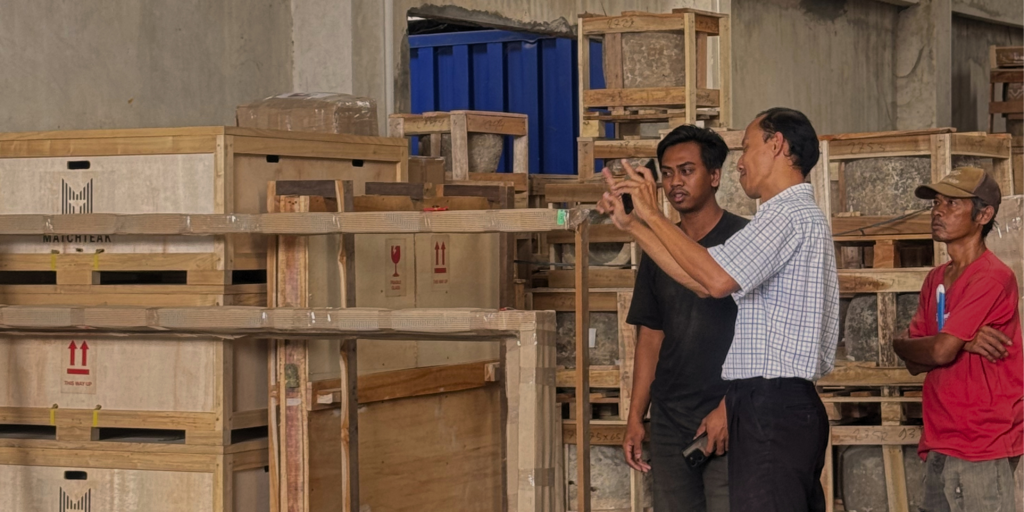
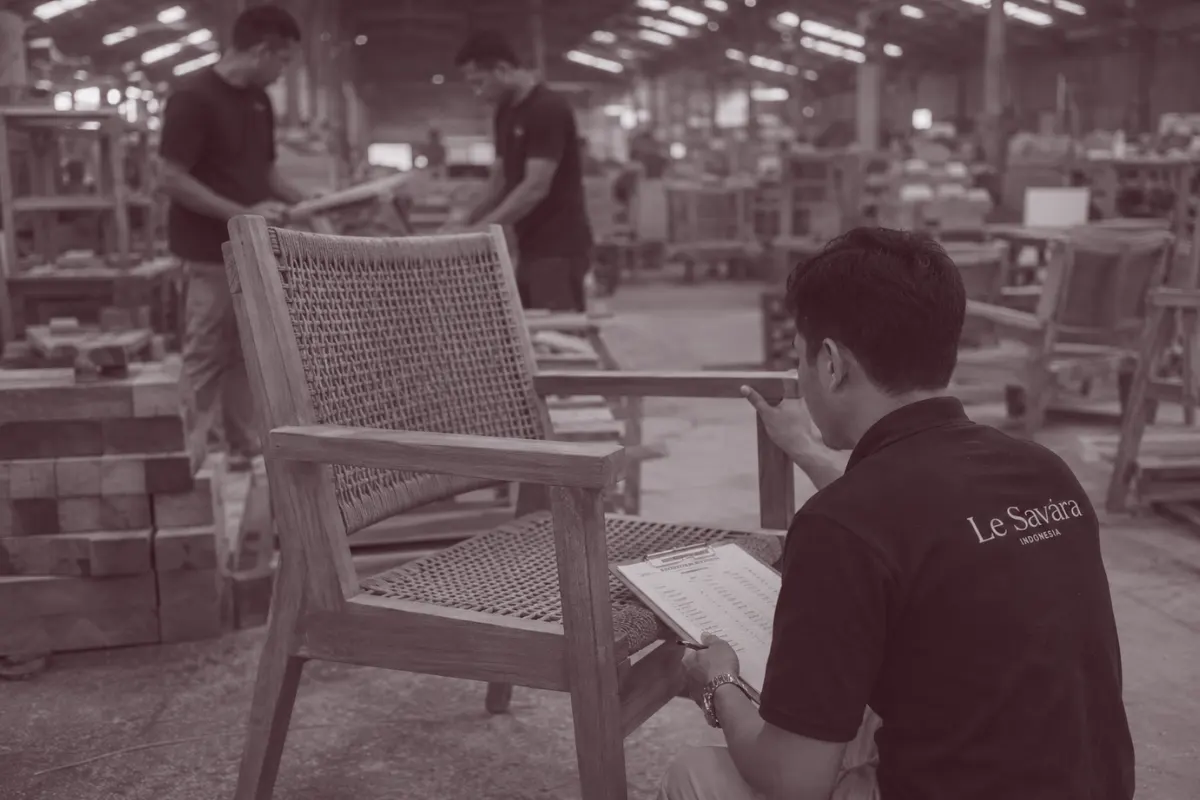
Managing manufacturing remotely relies heavily on digital updates, photo proofs, and faith. Unfortunately, digital photos rarely reveal structural integrity, wood moisture content, or subtle finish discrepancies. By having a local-based procurement partner with an active presence throughout the process, they can provide real-time quality control (QC), where local project managers perform meticulous and thorough inspections to ensure quality.
2. Avoiding Lost-in-Translation Hiccups
Overseas buyers often lose days or weeks navigating time zone gaps and technical misunderstandings regarding the plan, the product, and the delivery arrangement, which may result in delays, quality inconsistencies, or even additional costs. However, by having a procurement partner on-site, someone can actually explain the design intent to make sure it translates accordingly in the technical execution, as well as resolve daily operational queries on-site, keeping the project moving forward without administrative problems and making sure the specifications are accurately communicated to local craftsmen.
- No More Vague Costs
Traditional trading and unverified middlemen might have hidden fees that are undisclosed from the start, even when they seem small, they add up, and can result in issues. Working with a transparent partner guarantees that every dollar in the budget is accounted for, allowing you to maximize return on investment while maintaining the quality standards.
By strategically choosing the right procurement partner, supply chain vulnerability can be turned into a much more beneficial setting. By establishing a partnership with a transparent, locally based project management team in the area, business owners transform a complex supply chain into a streamlined, clear, and smooth operational asset.
Read more about Le Savara and the industry:
- From Scratch to Smooth Delivery, This is How We Ease Your Business Journey as a Furniture Procurement Partner
- Business Owners’ Strategic Decision: The Importance of a Local and Transparent Furniture Procurement Partner
- How to Source Furniture from Indonesia: A Complete Guide for Hospitality & Design Buyers
- #5 Reasons Global Buyers Prefer Indonesian Furniture Manufacturers
- When Should You Invest in Custom Furniture?
➤ Is it safe to source furniture from Indonesia without visiting in person?
Yes, provided you work with a partner who provides independent quality inspection and clear documentation at each stage — visiting in person is helpful but not required when proper oversight is in place.
➤ What’s the difference between buying wholesale and using a procurement or project management service?
Wholesale buying gives you access to existing catalog collections at volume pricing. A procurement or project management service manages the full process, from sourcing, custom production, quality control, and logistics, on your behalf, which matters most for hospitality and custom design projects.
➤ Can I get custom or white-label furniture made in Indonesia?
Yes. Custom production and white-label manufacturing are widely available, though they require a partner with in-house design and production management capability rather than a standard export-only supplier.
➤ How long does it typically take to source and receive furniture from Indonesia?
Timelines vary by order complexity, but the biggest variable is coordination, not production speed. Working with a single accountable partner typically shortens the process by reducing communication delays between separate vendors. Info@lesavara.com and Instagram DM is open for further discussion.
Considering a Furniture or FF&E Project Sourced from Indonesia?
If you’re managing an FF&E program, a custom production run, or a design project that requires natural-material furniture without the coordination burden, that’s precisely the gap this kind of partnership is built to fill.
And find out what a fully managed procurement process looks like end to end.

Related posts
How to Source Furniture from Indonesia: A Complete Guide for Hospitality & Design Buyers
Indonesia is one of the world’s leading sources of natural-material furniture — teak, rattan, …
#5 Reasons Global Buyers Prefer Indonesian Furniture Manufacturers
From boutique hotels in the Mediterranean to luxury residences in the Middle East, Indonesian furnit …