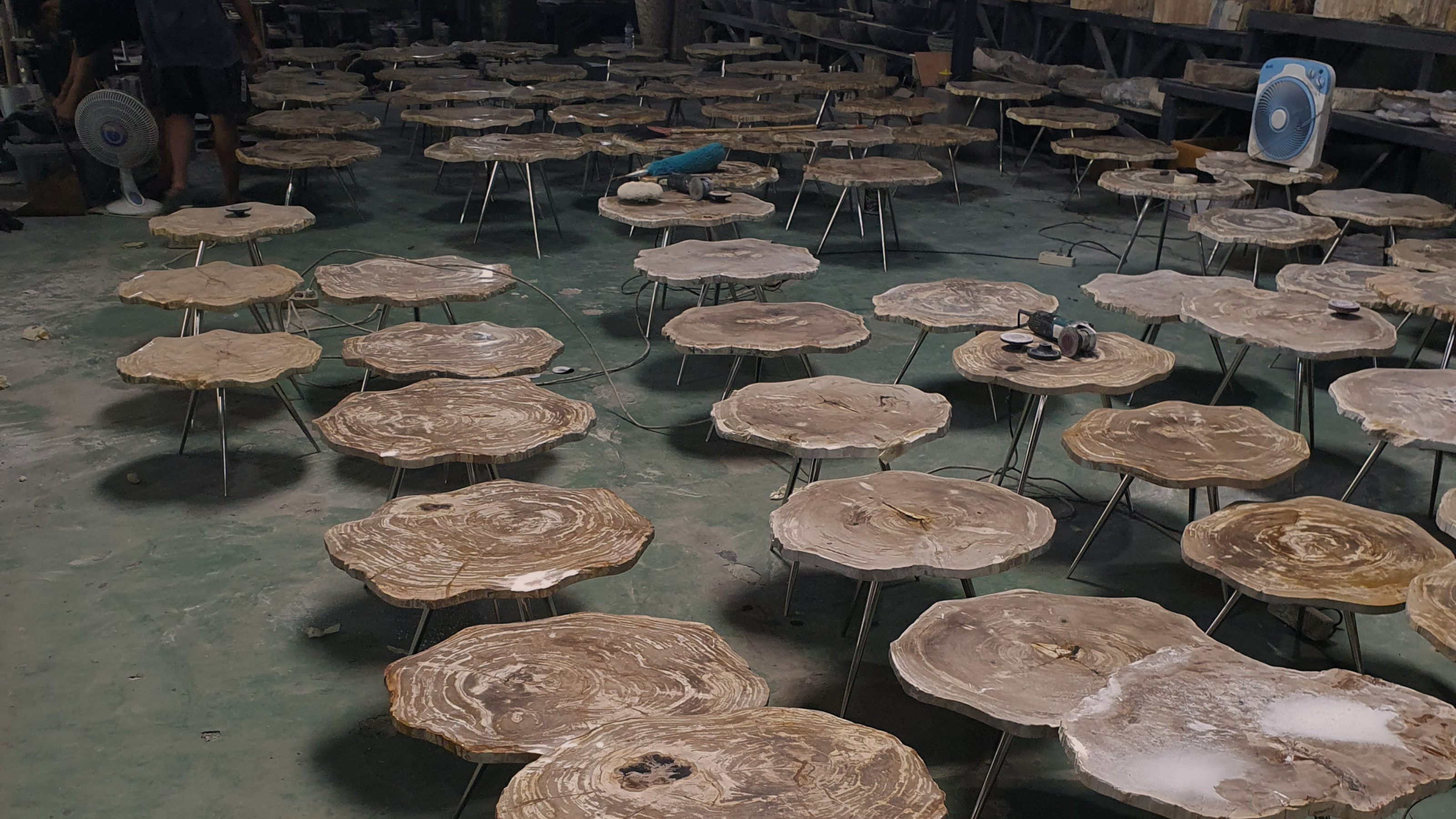
Custom furniture holds a special meaning for people designing it. Imagine being excited to see your vision come to life when you first look at the sample after carefully designing it, approving it, only to receive an underwhelming final piece. Might feel dejected, of course. Designing something original will require a precise, thorough manufacturing process.
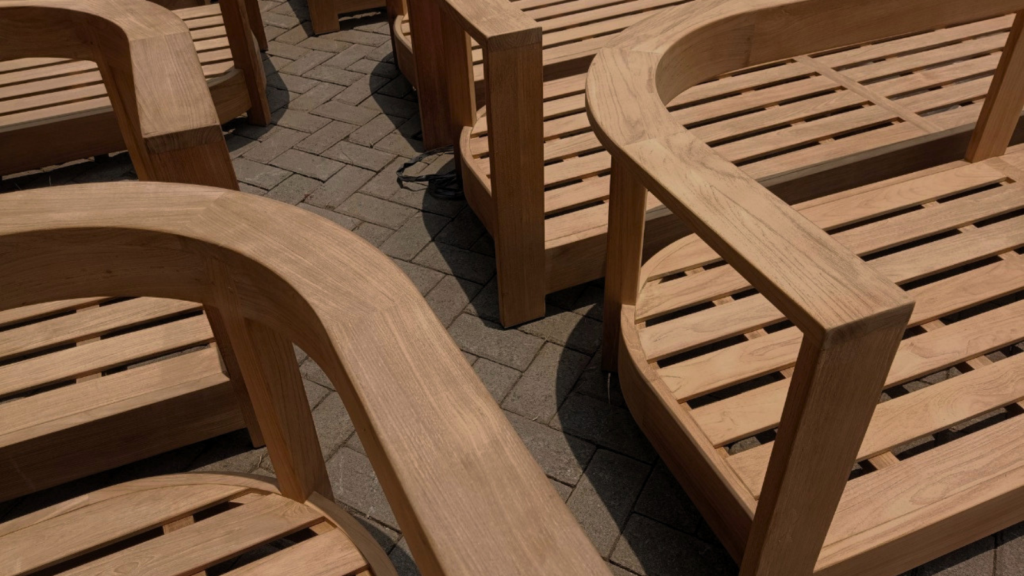
There is a particular excitement in receiving a perfect furniture sample. The craftsmanship is solid, the finishing comes out perfect, and the materials pass all quality standards. For business owners and commercial project developers, a great sample is like a green light, it assures that the entire production run will go smoothly. Yet, in international manufacturing, a one-piece flawless sample might not mean a guarantee of identical flawless pieces in the final mass production.
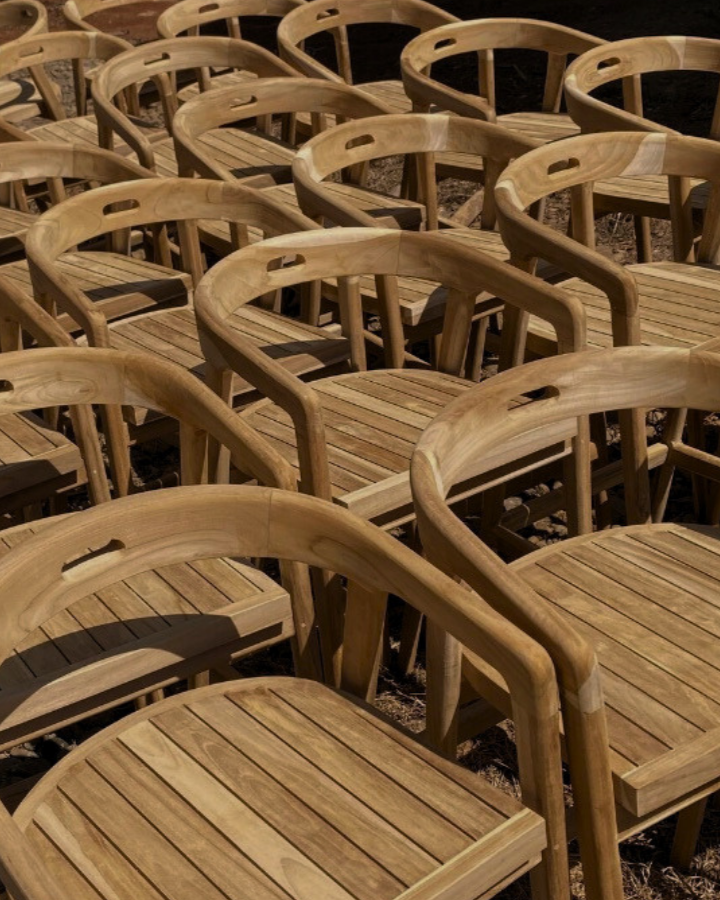
The reality of a full production operation may differ significantly from the sample. A shipment of customized dining chairs comes in with slightly different finishes. Some woven material parts might indicate structural drooping after many weeks in transit. The perfect sample can create high hopes, but the delivered container shows an unexpected reality. Many may already know, or some didn’t, that the sample is used as a benchmark for alignment and the ultimate example of what the production wants to achieve. It tests and validates whether the design translates structurally into a stable, physical piece. Then it also allows craftsmen to reference the physical point as an agreed-upon gold standard for all the pieces that will be made. However, addressing the sample piece as a magic wand that guarantees identical mass-produced products is where expectations and reality begin to split. The answer lies in the fact that the pieces are artisan hand-made, where it is improbable to copy the exact look into different components in each piece.
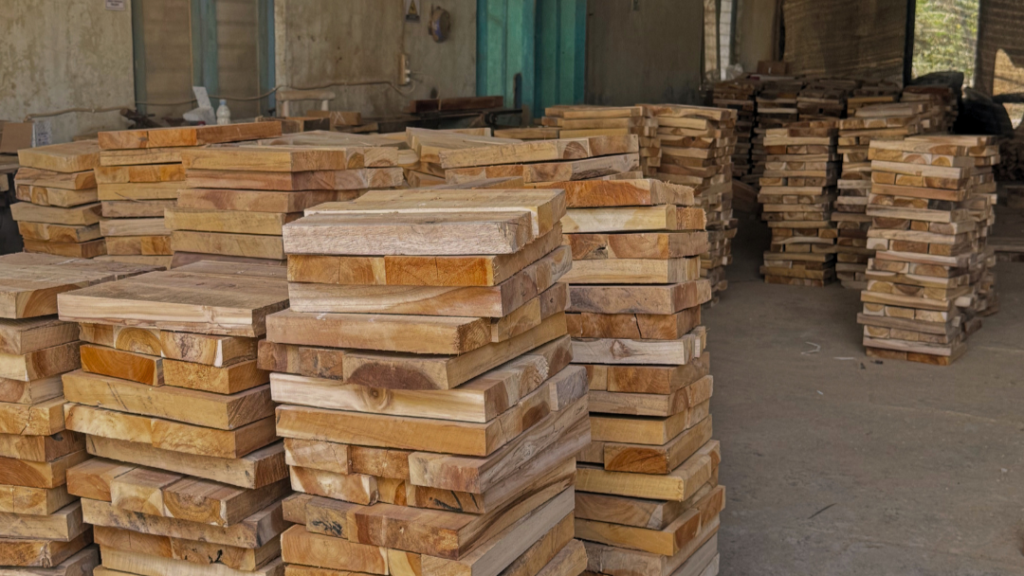
Manufacturing in large quantities involves diverse factors throughout the shop floor. For instance, the natural materials, such as teak, banana fiber, and water hyacinth, have different ranges in density, color tone, and moisture content. Without proper material sorting before mass production begins, batch units abruptly lose physical cohesion. Another aspect is that the entire order of units is processed through separate assembly stages, ranging from sanding and joint assembly to finishing and element installation, thus, different hands at different stations may create small inconsistencies. Lastly, in cases where delivery deadlines approach, hurried states on the manufacturing floor tend to result in minor compromises.
Navigating those gaps that might happen requires well-coordinated monitoring, which can be achieved with project management. Preventing production gaps requires more than just approving an initial sample and hoping for the best. It requires embedding continuous, multi-step quality control checkpoints within the shop floor. This is where structure turns uncertainty into an exact science. By establishing a dedicated, transparent procurement presence on site, every phase of production is held accountable to the original approved sample standard. Instead of inspecting items only when they are finished and packed, on-ground project management enforces progressive quality control, which includes:
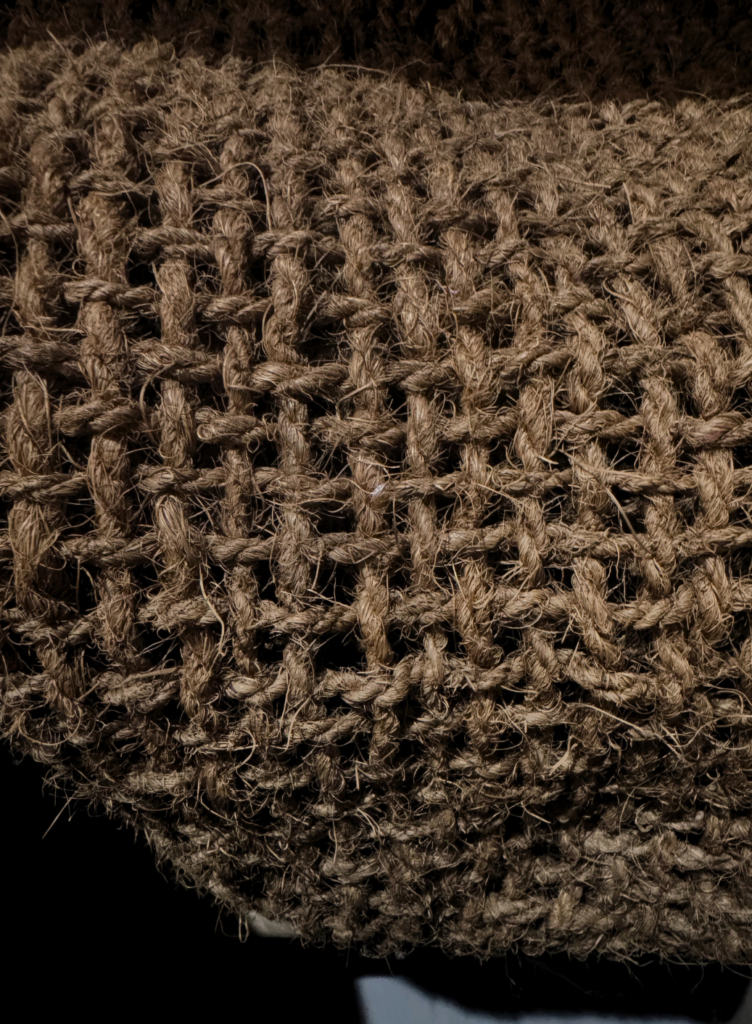
Raw material matching, to verify bulk batches and natural fibers that will be used match the exact quality, grain, and density of the approved sample before cutting begins.
Assembly and in-line checks, to inspect structural joints, balance, and dimensions while pieces are in their raw wood state, ensuring flaws are corrected before applying finishes, then to monitor stain mixing, drying times, and protective topcoats in real time to guarantee color uniformity across every single piece, both stages are conducted by comparing them side by side with the approved sample piece as the reference.
Pre-loading inspections, to ensure the packaging and protective wrapping work to prevent scratches and damage from moisture or climate changes throughout sea transit.
These steps are necessary to protect the consistency of each piece that meets the standards and does not deliver an unexpected finished product that is a lot different from the sample.
Developing product to fill a space or build a brand, or executing a commercial area through global procurement, should foster confidence, not fear because of uncertainty. A custom furniture sample should be the foundational benchmark for the entire production line, not a one-time occurrence. This can be ensured with proper project management. Business owners can avoid the uncertainty of remotely manufactured items by engaging with an on-the-ground team that specializes in furniture procurement in Indonesia. With active manufacturing oversight, thorough material testing, and consistent quality control, the finished product delivered to the customer’s door fits the exact vision created on paper and in the sample approval.
Read more about Le Savara and the industry:
- 3 Costly Missteps While Reaching at Indonesia Furniture Scene and The Solution We Do To Avert It
- Expectation vs Reality: Why a Good Custom Furniture Sample Can Turn Into Unexpected Final Products and How Project Management Prevents It
- From Scratch to Smooth Delivery, This is How We Ease Your Business Journey as a Furniture Procurement Partner
- Business Owners’ Strategic Decision: The Importance of a Local and Transparent Furniture Procurement Partner
- How to Source Furniture from Indonesia: A Complete Guide for Hospitality & Design Buyers
➤ Is it safe to source furniture from Indonesia without visiting in person?
Yes, provided you work with a partner who provides independent quality inspection and clear documentation at each stage — visiting in person is helpful but not required when proper oversight is in place.
➤ What’s the difference between buying wholesale and using a procurement or project management service?
Wholesale buying gives you access to existing catalog collections at volume pricing. A procurement or project management service manages the full process, from sourcing, custom production, quality control, and logistics, on your behalf, which matters most for hospitality and custom design projects.
➤ Can I get custom or white-label furniture made in Indonesia?
Yes. Custom production and white-label manufacturing are widely available, though they require a partner with in-house design and production management capability rather than a standard export-only supplier.
➤ How long does it typically take to source and receive furniture from Indonesia?
Timelines vary by order complexity, but the biggest variable is coordination, not production speed. Working with a single accountable partner typically shortens the process by reducing communication delays between separate vendors. Info@lesavara.com and Instagram DM is open for further discussion.
Considering a Furniture or FF&E Project Sourced from Indonesia?
If you’re managing an FF&E program, a custom production run, or a design project that requires natural-material furniture without the coordination burden, that’s precisely the gap this kind of partnership is built to fill.
And find out what a fully managed procurement process looks like end to end.
Related posts
3 Costly Missteps While Reaching at Indonesia Furniture Scene and The Solution We Do To Avert It
Indonesia furniture scene definitely has a wide appeal for people who are looking for gems to fill t …
From Scratch to Smooth Delivery, This is How We Ease Your Business Journey as a Furniture Procurement Partner
Confusing steps and choices in building an interior and furniture business may cause a crippling hea …